A musty odor in a Florida home often points to excess moisture, damp materials or possible mold growth—but the source may not be where the odor is strongest. Attics, air-conditioning systems, hidden plumbing leaks, wet insulation and storm-damaged materials can all produce odors that move through the home.
Quick Answer
Begin by checking for visible water damage, condensation, active leaks, damp materials and changes in indoor humidity. Pay particular attention to the attic, HVAC system, bathrooms, plumbing fixtures, windows and areas affected by previous storms.
Smell alone cannot confirm mold or identify its type. However, an earthy or musty odor is a reasonable sign that hidden moisture or microbial growth may require further investigation.
What Causes a Musty Smell Inside a Home?
A musty odor is commonly associated with dampness, water-damaged materials and mold or bacterial growth. Florida’s warm temperatures, high humidity, heavy rain and tropical storms can make moisture problems particularly persistent.
Mold needs moisture and a suitable material on which to grow. Wood, drywall, paper-faced insulation, carpet, fabric and accumulated dust may all support growth when they remain damp.
The Florida Department of Health advises homeowners to search for moisture and water damage in areas where earthy or musty odors are present.[1]
Ten Possible Sources of a Musty Odor in a Florida Home
1. Attic Mold or Persistent Attic Moisture
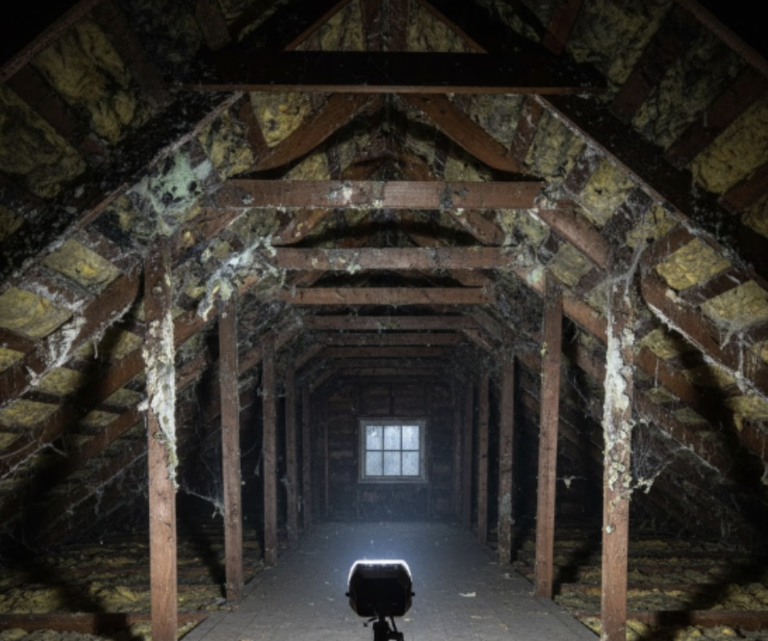
The attic is one of the first areas to investigate when a musty odor is strongest near the ceiling, attic access, closets or upper-floor hallway.
Attic moisture may result from:
- Roof or flashing leaks
- Wind-driven rain
- Condensation on AC ducts
- Bathroom fans exhausting into the attic
- Wet or contaminated insulation
- Incompatible ventilation or insulation systems
- Unsealed ceiling penetrations
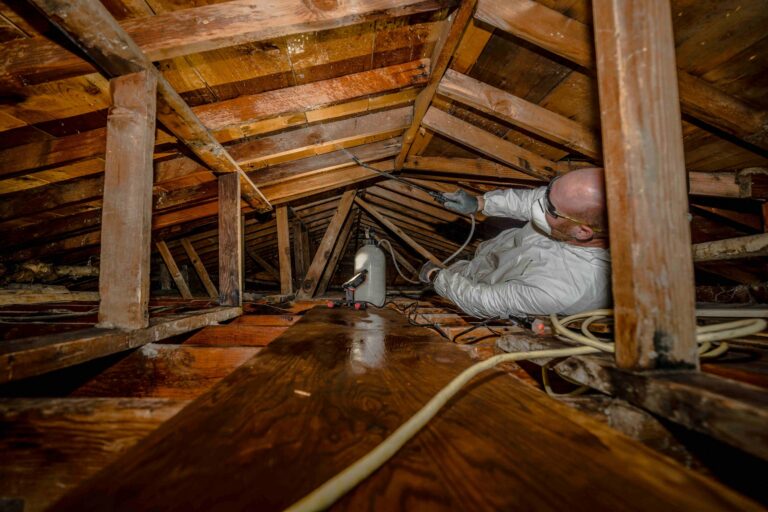
Because attics are rarely occupied, moisture may remain unnoticed until an odor enters the living space. A professional musty-odor investigation in Venice can evaluate accessible attic materials, moisture patterns and possible odor sources.
2. A Roof Leak or Previous Storm Damage
Florida roofs experience intense sunlight, heavy rain, tropical storms and wind-driven water. Even a small opening around flashing, vents or roof penetrations can wet decking, insulation or ceiling materials.
A roof leak may produce:
- Water stains on roof decking or ceilings
- Darkened or compressed insulation
- Discoloration around nails or roof penetrations
- An odor that intensifies after rain
- Peeling paint or bubbling ceiling finishes
Not every roof leak produces an immediate ceiling stain. Water may travel along rafters or framing before reaching a visible surface.
3. The Air Handler, Drain Pan or Condensate Line
Florida air-conditioning systems remove moisture from indoor air. That water should collect in the condensate pan and leave through a drain line.
A clogged drain, damaged pan, dirty coil or standing water near the air handler can create damp conditions and noticeable odors. Because the HVAC system circulates air, odors near the equipment may become noticeable in several rooms.
The Florida Department of Health recommends checking air handlers, evaporator coils, drain pans and drain lines when investigating possible mold or moisture problems.[1]
Mechanical repairs and cleaning inside the HVAC system should be handled by a qualified HVAC contractor.
4. Sweating or Leaking AC Ductwork
Cold AC ducts passing through a hot, humid attic can collect condensation when the insulation or outer vapor barrier is damaged. Supply-air leaks can also chill nearby materials and contribute to moisture accumulation.
Look for:
- Water droplets on duct jackets
- Torn, separated or compressed insulation
- Wet insulation beneath duct runs
- Rust near duct connections
- Ceiling stains near supply registers
- Odors that are stronger while the AC is running
Read Why Is My AC Ductwork Sweating in the Attic? for a closer look at duct condensation in hot-humid climates.
5. A Hidden Plumbing Leak
Slow plumbing leaks may remain concealed behind cabinets, walls and ceilings. Even when the leak is small, absorbent building materials may remain damp and begin producing an odor.
Common locations include:
- Under sinks and vanities
- Behind refrigerators and dishwashers
- Around toilets and shower plumbing
- Behind washing machines
- Inside walls containing supply or drain lines
- Below upstairs bathrooms
Watch for warped cabinets, swollen baseboards, peeling finishes, soft drywall or flooring that feels loose. A plumber may be needed when the odor follows a plumbing wall or fixture.
6. Bathroom, Kitchen or Laundry Moisture
Showers, cooking and laundry add moisture to indoor air. Exhaust fans and dryer vents should carry that moisture outdoors rather than into the attic, wall cavity or garage.
Possible problems include:
- A bathroom fan that does not operate
- An exhaust duct disconnected inside the attic
- A kitchen fan that recirculates instead of exhausting outdoors
- A dryer vent that is loose, blocked or damaged
- Wet towels or laundry left in enclosed rooms
- Condensation forming on bathroom surfaces
Poor venting of showering and cooking moisture is among the conditions the Florida Department of Health identifies as a contributor to indoor dampness.[1]
7. Moisture Around Windows, Doors or Exterior Walls
Water can enter around failed sealant, damaged flashing, wall penetrations and poorly sealed windows or doors. Condensation may also form when humid air contacts a cold glass, frame or wall surface.
Investigate areas with:
- Staining beneath windows
- Soft or swollen trim
- Peeling paint
- Condensation collecting on frames
- Odors concentrated inside exterior-wall closets
- Water appearing after wind-driven rain
The EPA identifies water intrusion, condensation and plumbing or building maintenance problems as common contributors to poor indoor air quality.[2]
8. Previously Wet Carpet, Drywall or Insulation
Materials affected by a past leak, flood or storm can continue producing an odor if they were not dried completely. The surface may feel dry while padding, wall cavities or insulation remain damp.
Porous materials of concern include:
- Carpet and carpet padding
- Drywall and paper-faced wallboard
- Ceiling tiles
- Fiberglass and cellulose insulation
- Upholstered furniture
- Cardboard boxes and paper products
The EPA and CDC recommend drying wet materials quickly—generally within 24 to 48 hours—to reduce the chance of mold growth.[3] Materials that cannot be cleaned and dried may need to be removed.
9. Crawl-Space or Foundation Moisture
Although many Florida homes are built on slabs, older or elevated homes may have crawl spaces. Ground moisture, plumbing leaks, standing water and poor drainage can create persistent odors below the living area.
Air movement through flooring penetrations and duct openings can carry those odors upward. Signs may include:
- Odors strongest near floor penetrations
- Soft or cupped flooring
- Condensation on pipes or ductwork
- Standing water beneath the home
- Visible staining on floor framing
Foundation and crawl-space problems may require drainage, plumbing, structural or moisture-control specialists depending on the source.
10. Damp Stored Belongings, Closets or Garages
The building itself may not be the only odor source. Cardboard boxes, clothing, books, luggage, holiday decorations and upholstered items can absorb moisture in humid garages, closets and storage rooms.
Examine stored items for:
- Visible spotting or discoloration
- Damp cardboard
- Condensation on nearby walls
- Items stored directly against exterior surfaces
- Previous exposure to leaks or flooding
Removing an affected box may temporarily remove the smell, but recurring dampness in the storage area should still be investigated.
| Where the Odor Is Strongest | Possible Sources to Investigate |
|---|---|
| Near the attic hatch or upper hallway | Attic mold, wet insulation, roof leak or duct condensation |
| When the AC turns on | Air handler, drain pan, coils, ducts or wet HVAC insulation |
| After heavy rain | Roof, window, wall or exterior-envelope leak |
| Near a bathroom or kitchen | Plumbing leak, exhaust problem or damp cabinets |
| Inside a closet | Exterior-wall condensation, roof leak or damp belongings |
| Near the floor | Wet carpet, slab moisture, plumbing or crawl-space conditions |
| In a garage or storage room | Cardboard, fabric, exterior leakage or high humidity |
How to Narrow Down the Source of a Musty Odor
Note When the Odor Becomes Stronger
Timing can help narrow the source. Record whether the odor is stronger:
- After rain or a tropical storm
- While the air conditioner is operating
- After someone showers
- When a particular door or closet is opened
- During the most humid part of the day
- After returning from an extended absence
Look for Moisture Instead of Following Smell Alone
The EPA notes that odor is not a reliable measurement of overall indoor air quality.[4] Focus on locating dampness, water damage, condensation and affected materials rather than attempting to identify the problem by smell alone.
Check Accessible Areas Safely
Look beneath sinks, around appliances, near ceiling stains and at accessible HVAC drain components. Avoid walking across exposed attic framing, disturbing loose insulation or opening walls without the proper equipment.
Avoid Covering the Odor
Air fresheners, candles, ozone devices and surface coatings do not correct hidden moisture. Covering or painting over damp materials can conceal the visible evidence while the underlying problem continues.
When Should You Request a Professional Investigation?
Professional assistance may be appropriate when:
- The odor persists after normal cleaning
- The smell becomes stronger when the AC operates
- There is visible staining or suspected mold
- The attic contains wet or discolored insulation
- A ceiling or wall remains damp
- The odor began after a hurricane, roof leak or plumbing loss
- The source cannot be safely accessed
- Previous repairs did not eliminate the odor
The CDC’s National Institute for Occupational Safety and Health notes that visual inspections and identifying musty odors can be more useful for locating dampness problems than relying solely on short-term air samples.[5]
Attic Medics evaluates accessible attic conditions for visible growth, moisture, wet insulation, ventilation concerns and possible odor sources. If mold is discovered, the next step may include professional attic mold remediation after the moisture source has been corrected.
Homeowners concerned about attic airflow or condensation can also review our attic moisture and ventilation services .
Frequently Asked Questions
Does a musty odor always mean there is mold?
No. Musty odors can also come from damp materials, standing water, dirty HVAC components or stored belongings. However, the odor is a reasonable reason to investigate for moisture and possible mold growth.
Why does my home smell musty only when the AC runs?
The HVAC system may be distributing an odor from the air handler, drain pan, coils, ducts or another area connected to the return-air pathway. Moisture in or near the system should be evaluated by a qualified HVAC contractor.
Can attic mold make the rest of the house smell musty?
It can. Odors may move through the attic hatch, ceiling penetrations, duct leakage and other air pathways. An inspection is needed to confirm whether the attic is the source.
Why does the smell get worse after it rains?
An odor that intensifies after rain may indicate water entering through the roof, flashing, walls, windows or exterior penetrations. Damp materials can release a stronger odor as their moisture level rises.
Will a dehumidifier eliminate a musty smell?
A dehumidifier may help manage indoor humidity, but it will not repair an active leak, dry concealed materials automatically or remove existing mold. The moisture source still needs to be identified.
Should I order mold testing because of an odor?
Not automatically. The Florida Department of Health recommends investigating the moisture and visible conditions rather than relying on routine air sampling. Testing may be used when a qualified professional determines it is appropriate for the situation.
Can I paint over an area that smells musty?
Damp or mold-affected materials should not simply be covered. The source should be corrected, and affected materials should be properly dried, cleaned or removed as appropriate before refinishing.
Can’t Find the Source of a Musty Odor?
Attic Medics helps Venice homeowners investigate musty odors associated with accessible attic mold, moisture, insulation, ventilation and ductwork conditions. We’ll document what we observe and explain the appropriate next step.
Explore all attic mold services in Venice, Florida.
References
- Florida Department of Health, Indoor Mold and Your Health
- U.S. Environmental Protection Agency, What Is Indoor Air Quality?
- Centers for Disease Control and Prevention, Mold: What to Know
- U.S. Environmental Protection Agency, A View Indoors: Odors and Indoor Air
- Centers for Disease Control and Prevention, NIOSH, Mold, Testing and Remediation