Most attic mold remediation projects require approximately two to five active workdays. However, the complete process can take anywhere from several days to two weeks or longer when moisture repairs, drying, independent verification or insulation replacement are required.
Quick Answer
The size of the affected area is only one part of the timeline. Attic access, contaminated insulation, active roof leaks, ventilation problems and the need for post-remediation verification can all affect how long the project takes.
Homeowners should distinguish between active remediation time and the total project timeline. A crew may complete the physical remediation in a few days, while repairs, drying and verification add time before the attic is fully ready for reconstruction or new insulation.
How Long Does Attic Mold Remediation Usually Take?
A relatively contained attic mold problem may be remediated in a few working days. Larger projects involving widespread growth, wet insulation or difficult attic access can require additional time.
Before remediation begins, the moisture source must be identified and addressed. The U.S. Environmental Protection Agency recommends correcting the moisture problem as part of the remediation process because cleaning visible mold without controlling moisture allows the conditions that supported the growth to continue.[1]
| Project Phase | Possible Time Required | What Can Affect It? |
|---|---|---|
| Inspection and scope development | One day to several days | Scheduling, attic access and whether formal assessment is needed |
| Moisture-source repairs | Varies | Roof leaks, duct condensation, bathroom exhausts or ventilation defects |
| Containment and work-area setup | Several hours to one day | Attic configuration and the amount of containment required |
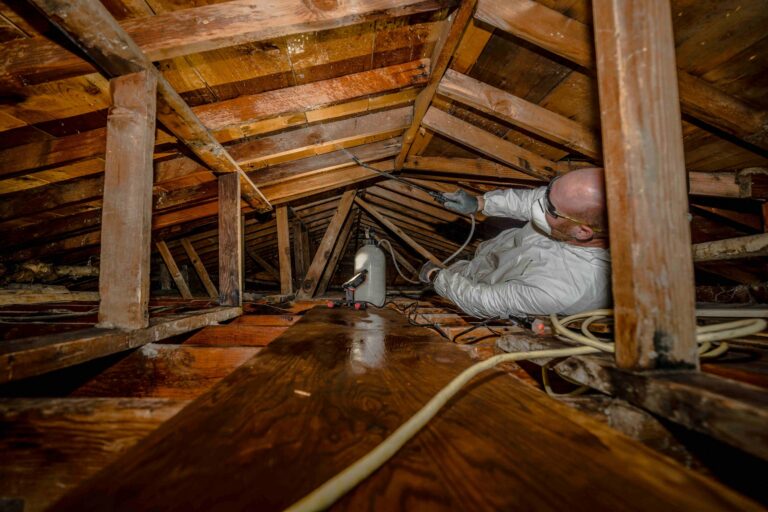
| Active mold remediation | Approximately two to five workdays for many projects | Affected area, materials, insulation and accessibility |
| Drying and moisture monitoring | One or more days | Material moisture levels, airflow and the original water source |
| Post-remediation verification | One to several days | Assessor availability and laboratory turnaround time |
| Insulation or material replacement | Additional days as needed | Material availability and coordination with other contractors |
If you are unsure how extensive the problem is, begin with a professional attic mold inspection in Venice .
What Happens During the Remediation Process?
A professional remediation project is more than spraying or wiping visible mold. The scope should address affected materials and the conditions that allowed the growth to develop.
1. The Attic Is Inspected and the Scope Is Defined
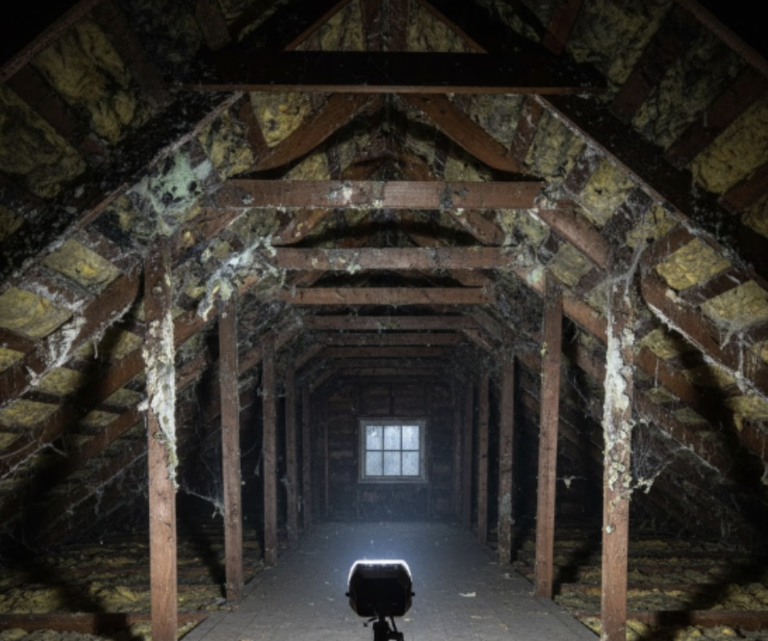
The first step is evaluating accessible attic areas for visible growth, staining, damp materials, ventilation concerns and signs of water intrusion. The findings help determine the necessary containment, cleaning, material removal and moisture-control steps.
Florida regulates mold assessment and remediation under certain circumstances. Depending on the size and nature of the project, separate licensed professionals may be involved in assessment, remediation and post-remediation verification.[2]
2. The Moisture Source Is Addressed
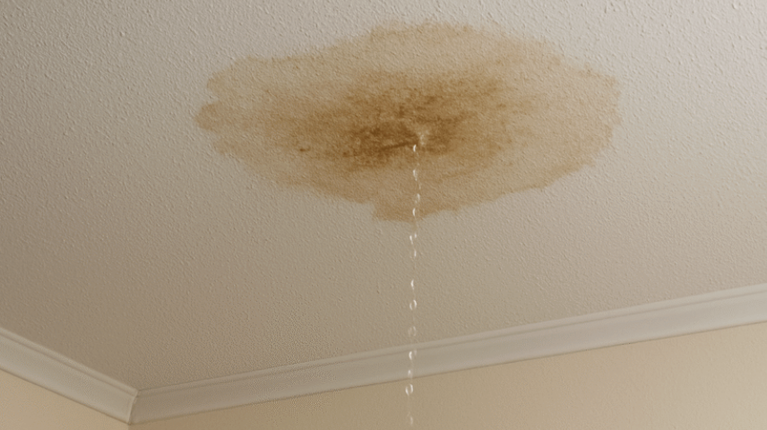
Remediation should not move forward as though moisture were a separate issue. Roof leaks, condensation on HVAC components, disconnected exhaust ducts, inadequate airflow and humid outdoor air entering the attic can all contribute to recurring problems.
If the attic remains damp, the project may be delayed until repairs or drying bring the affected materials into an acceptable condition. Our attic moisture and ventilation services help homeowners investigate these contributing conditions.
3. Containment and Safety Controls Are Established
Depending on the remediation plan, the work area may need containment, negative air pressure, protected access routes and specialized filtration. These controls help limit the movement of dust and disturbed material during the work.
4. Affected Materials Are Removed or Cleaned
Porous materials that cannot be adequately cleaned may need to be removed. Other structural surfaces may be cleaned using methods appropriate for the material and the established remediation plan.
The amount and type of insulation can have a major effect on timing. Removing contaminated blown-in insulation generally requires more labor and preparation than treating a small, accessible area of exposed framing.
5. The Attic Is Dried
The EPA and Florida Department of Health recommend drying wet materials quickly—ideally within 24 to 48 hours—to reduce the opportunity for mold growth.[3] [4]
Existing moisture may require additional drying and monitoring before the project can move to verification or material replacement. Drying time depends on the materials, weather, airflow and whether the original leak has been completely corrected.
6. The Work May Be Independently Verified
When post-remediation verification is part of the project, an independent assessor may visually evaluate the completed work and perform additional testing when appropriate. Scheduling the assessment and receiving laboratory results may add several days even after active remediation is complete.
7. Insulation and Other Materials Are Replaced
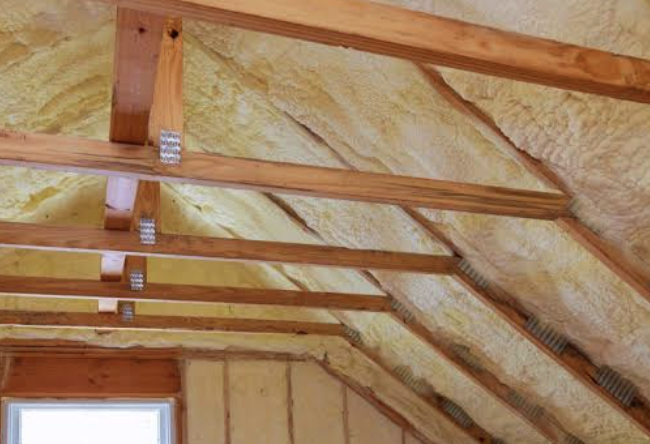
Removed insulation, damaged decking or other attic materials should generally be replaced only after the work area is dry and the remediation requirements have been satisfied. This final phase may involve coordination with insulation, roofing or HVAC professionals.
Seven Factors That Can Change the Timeline
- The size of the affected area: A localized area normally requires less containment, cleaning and verification than widespread growth across rafters or roof decking.
- Attic access: Low rooflines, narrow access openings and obstructed work areas can slow material removal and cleaning.
- The amount of affected insulation: Removing and replacing insulation can add labor and extend the total project.
- Active leaks or condensation: Roof, plumbing, HVAC or ventilation problems may need to be corrected before remediation can be completed.
- The materials involved: Nonporous and semi-porous surfaces respond differently than insulation, drywall and other absorbent materials.
- Testing and verification: Independent assessment and laboratory turnaround times may add days to the schedule.
- Coordination with other trades: Roofing, HVAC, electrical or insulation work can affect when each phase begins and ends.
Several of these conditions can also affect the final price. See our guide to the factors that influence attic mold-remediation cost for a closer look.
Can You Stay in Your Home During Attic Mold Remediation?
In some cases, homeowners can remain in the house while attic work is performed. In others, temporary relocation may be recommended because of the project’s size, access route, containment requirements or the needs of people living in the home.
There is no universal answer. Follow the instructions provided by the project’s qualified assessment and remediation professionals. Avoid entering containment areas or disturbing affected attic materials while work is underway.
How Homeowners Can Help Prevent Delays
- Arrange roof, HVAC or plumbing repairs as early as possible.
- Keep the attic access area clear for technicians and equipment.
- Provide any inspection reports, photographs or previous repair records.
- Ask whether independent assessment or verification will be required.
- Approve the scope and material decisions before the scheduled start.
- Plan separately for insulation replacement or reconstruction when needed.
- Avoid disturbing suspected mold before the inspection.
Homeowners who notice odor but cannot see the source may also benefit from a musty-odor investigation before assuming the attic requires a particular treatment.
Frequently Asked Questions
Can attic mold be remediated in one day?
A very limited and accessible condition might involve one day of active work, but inspection, moisture correction, drying or verification may extend the total project. A one-day promise should not be made before the attic has been properly evaluated.
Why can attic mold remediation take longer than expected?
Hidden moisture, wet insulation, difficult access, a continuing roof leak, laboratory turnaround time and coordination with roofing or HVAC contractors can all extend the schedule.
Does all attic insulation have to be removed?
Not automatically. The decision depends on the affected area, the insulation’s condition and the remediation plan. Insulation that is wet, contaminated or blocking access may need to be removed.
Should the roof leak be repaired before remediation?
The source of water intrusion must be corrected as part of the overall process. The exact sequence should be coordinated between the remediation professional and the contractor responsible for the repair.
How soon can new insulation be installed?
New insulation should generally be installed after affected materials have been remediated, the attic is dry and any required verification has been completed.
How do I get an accurate timeline for my Venice home?
Start with an attic inspection. The size of the affected area, moisture source, accessibility and condition of the insulation must be evaluated before a reliable scope and estimated schedule can be provided.
Request Attic Mold Remediation in Venice, FL
Attic Medics helps Venice homeowners evaluate attic mold, moisture and ventilation conditions and understand the appropriate next steps. We’ll inspect the accessible attic, explain what we find and develop a practical plan based on the property’s actual conditions.
You can also explore all attic mold services available in Venice.
References
- U.S. Environmental Protection Agency, Mold Remediation Checklist .
- Florida Legislature, Chapter 468: Mold-Related Services .
- U.S. Environmental Protection Agency, Mold Course, Chapter 2 .
- Florida Department of Health, Emergency Preparedness and Recovery Guidance .