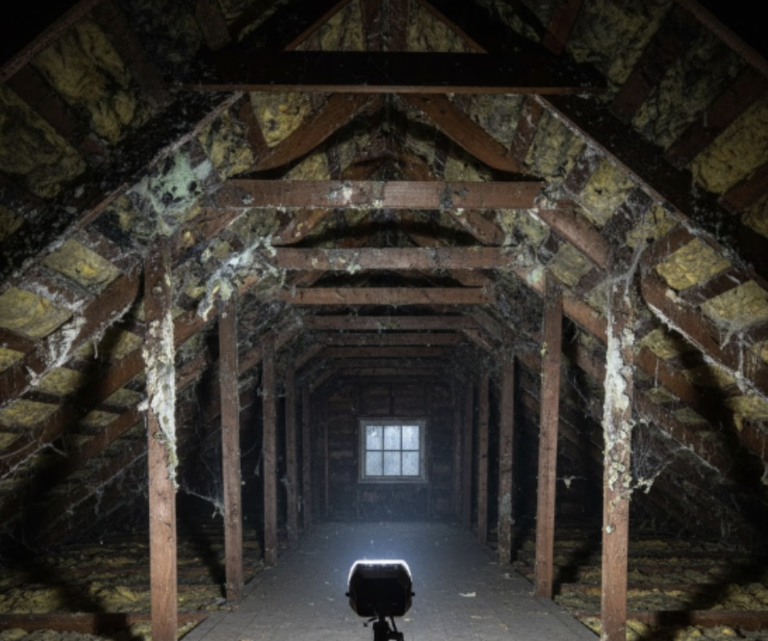
Yes, attic mold can return after remediation if the moisture conditions that supported it are not corrected. Remediation addresses existing mold and affected materials. Long-term prevention depends on controlling roof leaks, condensation, humidity, duct problems and other sources of attic moisture.
Quick Answer
Mold spores naturally exist indoors and outdoors, so remediation cannot permanently remove every mold spore from a home. The objective is to remove active growth and prevent the damp conditions those spores need to develop into another mold problem.
If mold returns soon after remediation, it can indicate an unresolved leak, persistent condensation, inadequate drying or another moisture source that needs further investigation.
Why Can Attic Mold Return After Remediation?
Mold requires moisture and a suitable surface on which to grow. Wood roof decking, framing, insulation dust and other attic materials can provide suitable surfaces when they remain damp.
The U.S. Environmental Protection Agency explains that mold spores will not grow without moisture. If existing mold is cleaned but the underlying water problem remains, the mold problem will likely return.[1]
This is why proper attic mold remediation in Venice should consider both the affected materials and the conditions that caused the growth.
| Possible Cause | What May Be Happening | Appropriate Next Step |
|---|---|---|
| Roof or flashing leak | Rainwater continues entering around penetrations, valleys or damaged roofing | Have the roof inspected and repair the water entry point |
| Bathroom exhaust duct | Warm, humid air is being released into the attic instead of outdoors | Correct the duct connection and exterior termination |
| HVAC condensation | Cold ducts or equipment surfaces are collecting moisture | Inspect insulation, connections, drain components and air leakage |
| Air leakage from the home | Conditioned or moisture-laden indoor air is entering through ceiling gaps | Evaluate penetrations and air-sealing needs |
| Ventilation imbalance | The attic ventilation system may not be working as intended | Assess the complete airflow and moisture system before adding vents |
| Incomplete drying | Wood, insulation or other materials remained damp after the original event | Measure moisture and dry or replace affected materials |
| Storm damage | Wind-driven rain entered through roofing, soffits or damaged components | Inspect the attic following severe weather |
Signs Mold or Moisture May Be Returning
Recurring attic mold may not initially look like the original problem. Homeowners should watch for changes in attic odor, appearance and moisture conditions.
- New spotting or discoloration on roof decking or rafters
- A musty or earthy odor near the attic entrance
- Darkened, compressed or damp insulation
- Water stains around roof penetrations or framing
- Condensation on ductwork, fasteners or HVAC equipment
- Rust forming on metal components
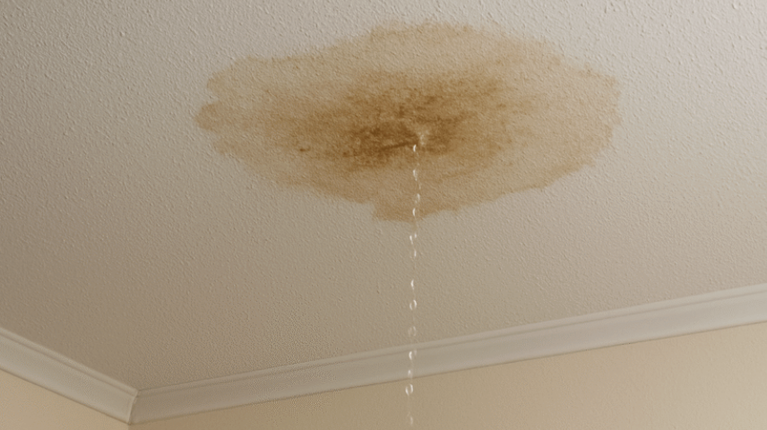
- Peeling paint or ceiling stains below the attic
- Moisture readings that remain elevated after repairs
A musty smell does not identify the exact source by itself. If the odor has returned without obvious visible growth, consider a professional musty-odor investigation in Venice .
Eight Ways to Reduce the Risk of Attic Mold Returning
1. Repair Roof Leaks and Exterior Water Entry
Remediation cannot compensate for a roof that continues to leak. Damaged shingles, flashing defects, failed seals and storm-related openings should be corrected as part of the overall moisture-control plan.
After repairs, inspect the area during or shortly after heavy rain when it is safe to do so. A roof can appear dry during fair weather even when wind-driven rain continues entering during storms.
2. Make Sure Exhaust Ducts Terminate Outdoors
Bathroom fans, kitchen exhausts and clothes dryers should not discharge humid air into the attic. A disconnected or improperly terminated bathroom exhaust duct can repeatedly introduce moisture whenever the fan operates.
Check accessible ducts for loose connections, damaged insulation and improper terminations. Exhaust systems should direct moisture outdoors using an appropriate exterior vent—not into the attic or soffit cavity.
3. Investigate HVAC and Duct Condensation
Florida’s warm, humid climate can create condensation when humid air contacts cold ductwork or air-conditioning components. Missing duct insulation, air leaks, damaged vapor barriers and drainage problems may contribute to repeated attic moisture.
Water staining near ducts should not automatically be assumed to come from the roof. Have the HVAC system inspected when condensation or equipment leakage is suspected.
4. Evaluate Attic Ventilation as a Complete System
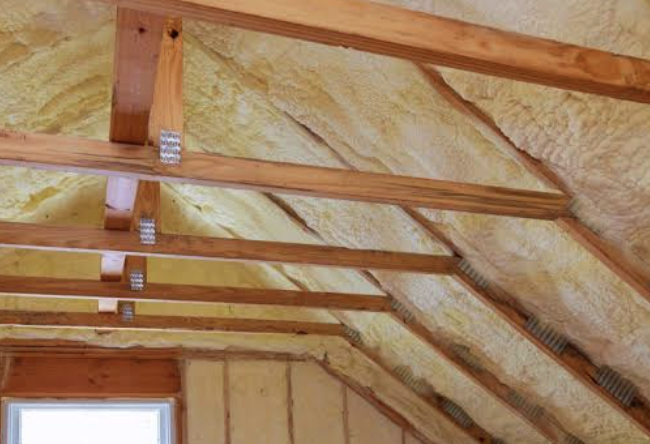
Attic ventilation must be evaluated in relation to the home’s roof design, insulation, air sealing and mechanical systems. Simply adding more vents is not always the correct solution—especially in a hot, humid climate where uncontrolled outdoor air may introduce additional moisture.
A professional attic moisture and ventilation evaluation can help identify whether intake vents, exhaust vents, insulation or air leakage are contributing to the problem.
5. Reduce Air Leakage Between the Home and Attic
Air can move through gaps around recessed lights, plumbing penetrations, electrical openings, attic hatches and ceiling fixtures. That movement may carry heat and moisture into the attic or create condensation on cooler surfaces.
Air-sealing decisions should account for combustion safety, electrical clearances and the home’s ventilation requirements. Avoid covering or sealing components without first confirming the appropriate building practice.
6. Monitor Humidity and Moisture Conditions
A small humidity monitor can help identify patterns, but a single reading does not tell the entire story. Humidity changes throughout the day and can vary significantly between the living space and attic.
The CDC recommends keeping indoor humidity no higher than 50 percent when possible.[2] The Florida Department of Health advises keeping indoor humidity below 60 percent and notes that below 50 percent is preferable for controlling mold growth.[3]
7. Dry Wet Materials Quickly
Water intrusion should be addressed promptly. The EPA recommends drying wet or damp materials within 24 to 48 hours whenever possible to help prevent mold growth.[4]
After a roof leak, plumbing problem or tropical storm, do not rely only on the visible surface. Insulation and concealed wood components can retain moisture after the exterior appears dry.
8. Schedule Follow-Up and Post-Storm Inspections
A follow-up inspection can help confirm that repaired areas remain dry and that no new staining or growth is developing. This is especially valuable after hurricanes, tropical storms, roof work or significant HVAC repairs.
The inspection should focus on the original problem area as well as related roof penetrations, ductwork, exhaust connections and insulation.
Learn what the inspection process may include in What Happens During a Professional Attic Mold Inspection?
What Should You Do After Attic Mold Remediation?
Once remediation is complete, keep a record of the work performed and the moisture conditions that were identified. Useful records may include:
- The original inspection or assessment report
- Photographs taken before and after remediation
- The remediation scope and completion documents
- Roof, HVAC, plumbing or ventilation repair invoices
- Any post-remediation verification report
- Moisture readings taken during the project
- Warranties for roofing, HVAC or insulation work
These documents can help if discoloration, odor or moisture appears again. They give the next professional a clearer picture of the original cause, the materials involved and the corrective work already completed.
Cleanup Alone Does Not Prevent Recurrence
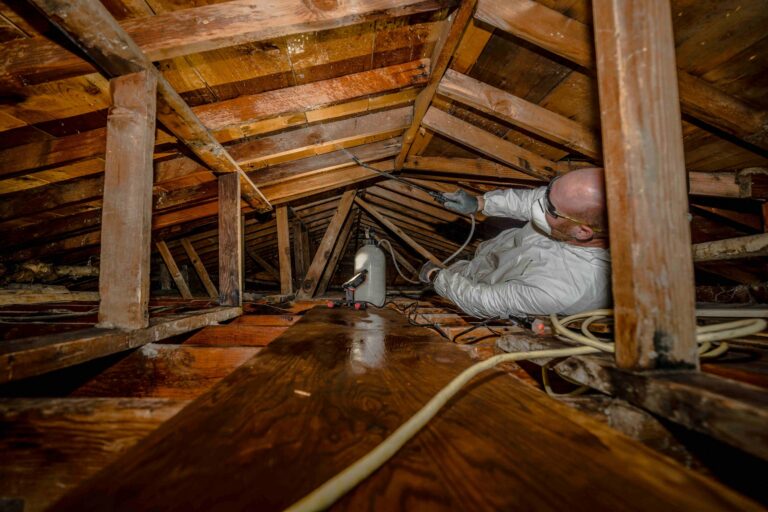
Cleaning visible staining without resolving the moisture source may produce only a temporary improvement. Effective remediation should address the affected materials, containment requirements, drying and the conditions that allowed growth to develop.
For a clearer explanation of these terms, read Attic Mold Cleanup vs. Mold Remediation: What’s the Difference?
The extent of moisture damage, contaminated insulation and necessary repairs can also affect project pricing. See the seven factors that affect attic mold-remediation cost and our guide to attic mold-remediation timelines .
Frequently Asked Questions
How quickly can attic mold return after remediation?
There is no fixed timeline. If materials remain wet or another leak develops, mold growth may begin again relatively quickly. Drying wet materials within 24 to 48 hours helps reduce that risk.
Does mold returning mean the remediation failed?
Not necessarily. Recurrence may result from an unresolved original moisture source, incomplete drying or a completely new water event. The attic should be inspected to determine what changed.
Can you permanently eliminate every mold spore?
No. Mold spores naturally exist indoors and outdoors. The practical goal is to remove active indoor growth and control moisture so those spores do not establish new colonies.
Will adding more attic vents prevent mold?
Not automatically. Ventilation must work with the roof design, insulation, air sealing and mechanical systems. Adding vents without diagnosing the moisture source may not solve the problem and can sometimes introduce more humid air.
Should I have the attic tested after remediation?
Testing is not required for every situation. When formal post-remediation verification is included in the project, it may involve visual inspection, moisture evaluation and testing determined by an independent qualified assessor.
How often should I inspect my attic after remediation?
The appropriate schedule depends on the original moisture source and the repairs completed. At minimum, consider checking after major storms, roof work, HVAC problems or any new ceiling stain or musty odor.
What should I do if a musty odor returns?
Avoid covering the odor with fragrance or assuming the original mold has returned. Have the attic and nearby systems evaluated for moisture, visible growth, wet insulation, duct problems and other possible odor sources.
Concerned That Attic Mold Has Returned?
Attic Medics helps Venice homeowners investigate visible growth, musty odors, attic moisture and ventilation concerns. We evaluate accessible conditions, explain what we observe and help determine the appropriate next step.
Explore all attic mold services in Venice, Florida.
References
- U.S. Environmental Protection Agency, How Do I Get Rid of Mold?
- Centers for Disease Control and Prevention, Mold: What to Know
- Florida Department of Health, Indoor Mold and Your Health
- U.S. Environmental Protection Agency, A Brief Guide to Mold, Moisture and Your Home