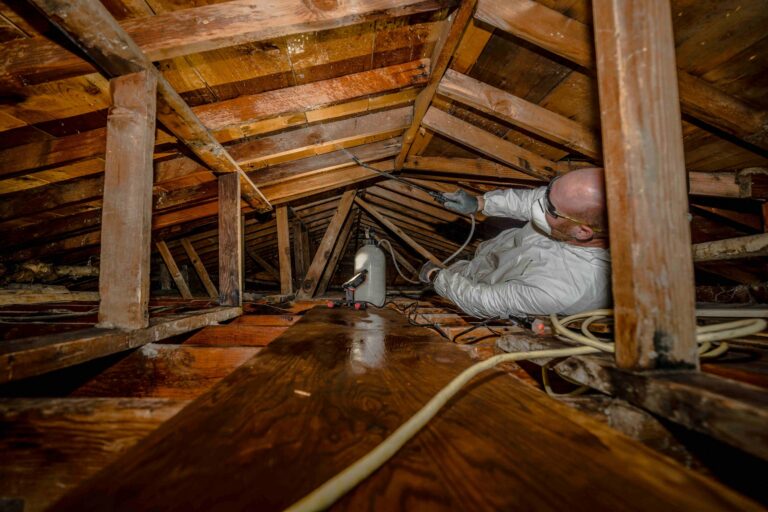
Two attic mold remediation estimates can look dramatically different even when they are prepared for the same home. The difference is often not the hourly rate—it is the work each contractor has included or excluded.
If you are looking for current price ranges, begin with our 2026 attic mold cleanup cost guide for Venice, FL .
1. The Size of the Affected Area
The amount of attic surface included in the remediation scope is one of the most important pricing factors. A localized area around one roof penetration requires a different setup than growth extending across several roof slopes and framing sections.
A larger work area can increase:
- Labor hours
- Protective materials
- Containment requirements
- HEPA-filtered equipment needs
- Cleaning time
- Waste handling and disposal
- Post-remediation verification costs
EPA remediation guidance distinguishes between areas smaller than 10 square feet, areas between 10 and 100 square feet and areas larger than 100 square feet. These categories help guide work practices and containment decisions—not determine the health effects of the mold.[1]
2. Attic Access and Working Conditions
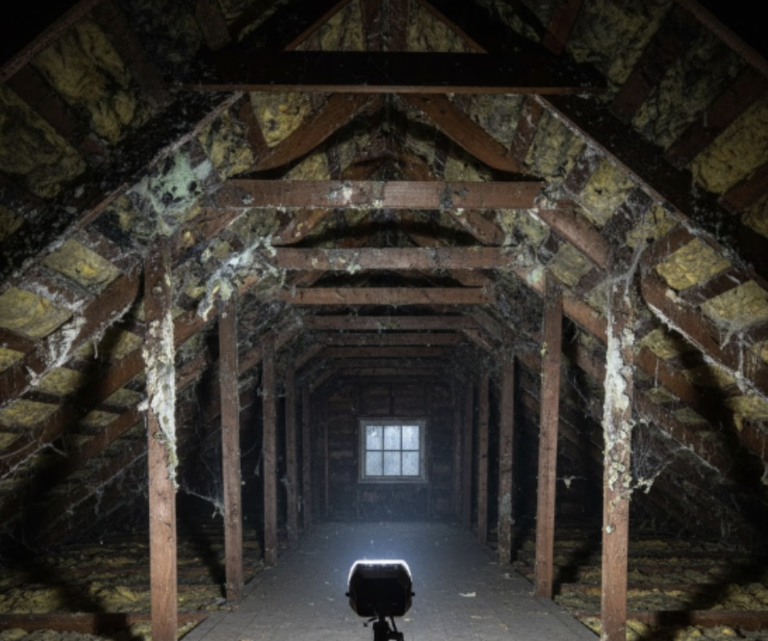
Attics are frequently more difficult to remediate than open interior rooms. Limited access slows worker movement, equipment setup, material removal and detailed cleaning.
Cost may increase when the attic has:
- A small or poorly positioned access opening
- Low roof clearance
- Few safe walking or working surfaces
- Deep loose-fill insulation
- Complex truss configurations
- Extensive ductwork or mechanical equipment
- Exposed electrical components
- Multiple separated attic sections
Difficult access may also require additional protection along the route between the attic opening and the exterior of the home.
An attic mold inspection in Venice can document accessible conditions before the remediation scope is finalized.
3. The Types of Materials Affected
Different attic materials require different remediation decisions. Salvageable structural wood may be cleaned using an appropriate method, while certain wet or contaminated porous materials may require removal.
| Attic material | Possible effect on remediation scope |
|---|---|
| Roof decking | May require detailed cleaning across overhead surfaces |
| Rafters and trusses | Complex framing increases surface area and labor |
| Fiberglass or cellulose insulation | Wet or contaminated material may require removal |
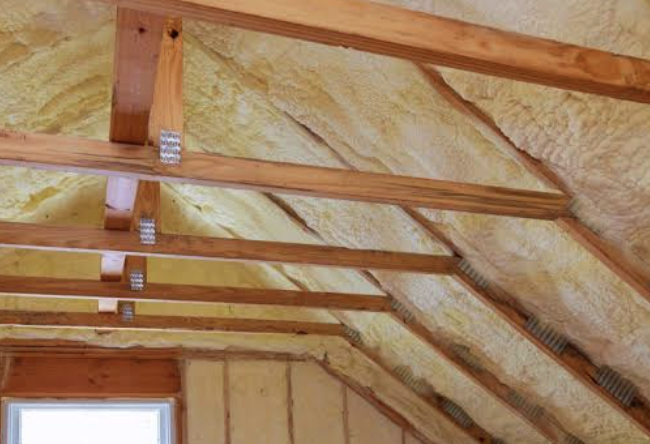
| Spray-foam insulation | May conceal materials and complicate access or evaluation |
| Drywall and ceiling materials | Water-damaged porous material may require replacement |
| Duct insulation | Mechanical evaluation or replacement may be needed |
| Stored belongings | May require relocation, cleaning or disposal decisions |
The proposal should identify which materials will be cleaned, removed, protected or excluded from the work.
4. Insulation Removal and Replacement
Insulation is one of the most important variables in an attic remediation estimate. It can conceal affected materials, restrict movement and retain moisture following a leak or hurricane.
When insulation removal is included, the project may require:
- Controlled removal procedures
- Additional bags and disposal
- Access to concealed ceiling or framing surfaces
- Cleaning of the exposed work area
- Air sealing or ventilation-baffle corrections
- New insulation after remediation is complete
Removal and replacement may be quoted by different contractors or divided into separate phases. Confirm whether the estimate includes both removal and installation of replacement insulation.
5. Containment, Protection and Remediation Equipment
Containment helps limit movement of dust and debris from the attic work area into occupied rooms. The setup depends on the project size, access point, materials and methods being used.
A remediation proposal may include:
- Floor and wall protection beneath the attic access
- Plastic barriers around the entry and work area
- Controlled worker and equipment pathways
- HEPA-filtered negative-air equipment
- HEPA-filtered vacuums
- Personal protective equipment
- Debris packaging and disposal
- Final cleaning of the contained area
Larger or more disruptive projects typically require more extensive controls. EPA guidance recommends considering both the affected area and the potential for worker or occupant exposure when selecting containment and protection.[1]
6. Repairing the Moisture Source
Remediation should not be treated as a surface-only project. The EPA and Florida Department of Health emphasize that mold control depends on correcting the underlying water or humidity problem.[2][3]
Attic moisture may be connected to:
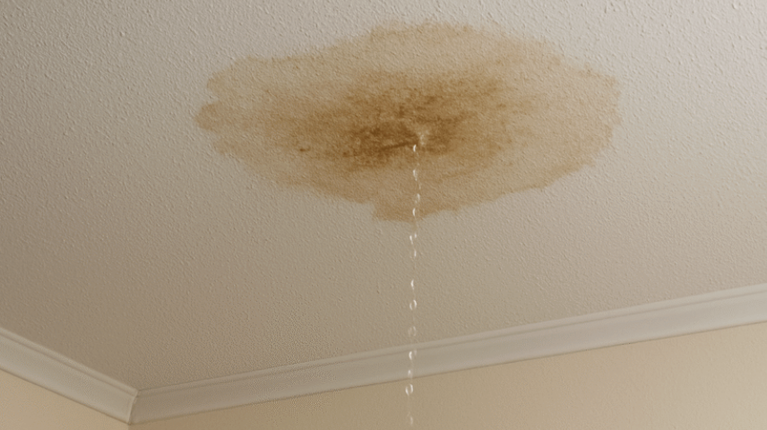
- A roof or flashing leak
- Wind-driven rain entering through vents
- Condensation on damaged duct insulation
- Air-handler or condensate drainage problems
- Bathroom exhaust released into the attic
- Blocked soffit or roof ventilation
- Air leakage from the living space
- Wet insulation after a storm
- Persistent elevated humidity
Repairs may require a roofer, HVAC contractor, insulation contractor or another appropriate trade. Determine whether those repairs are:
- Included in the remediation estimate
- Coordinated but billed separately
- Entirely excluded from the proposed work
Attic Medics offers attic moisture and ventilation services in Venice to help identify conditions that may contribute to recurrence.
7. Mold Assessment and Post-Remediation Verification
A larger project may require a formal mold assessment, remediation protocol or independent post-remediation verification. These services are separate from the physical remediation and can affect the total project budget.
Florida law defines mold assessment and mold remediation involving more than 10 square feet and restricts a mold assessor from performing remediation on a structure assessed by the assessor or assessor’s company within the applicable 12-month period.[4]
Depending on the project, separate costs may include:
- Independent mold assessment
- Sampling and laboratory analysis when appropriate
- A written remediation protocol
- Post-remediation visual evaluation
- Clearance sampling when required
- A final verification report
Ask who is responsible for hiring and scheduling each provider before work begins.
How to Compare Attic Mold Remediation Estimates
Place the proposals side by side and determine whether they include the same work.
| Scope item | Questions to ask |
|---|---|
| Affected area | Do both proposals include the same surfaces and square footage? |
| Containment | How will the attic access and occupied rooms be protected? |
| Cleaning methods | What physical cleaning or removal procedures are included? |
| Insulation | Are removal, disposal and replacement all included? |
| Equipment | Are HEPA-filtered air and vacuum systems included? |
| Moisture source | Who corrects the roof, HVAC, exhaust or ventilation problem? |
| Verification | Is independent post-remediation evaluation required? |
| Exclusions | Which repairs or materials are specifically excluded? |
The cheapest proposal may omit insulation replacement, moisture-source repairs or independent verification. Conversely, the highest price does not automatically represent the most appropriate scope.
Review the difference between attic mold cleanup and professional remediation before comparing contractor terminology.
How Can Homeowners Avoid Unexpected Costs?
- Request a written, itemized scope rather than a verbal price.
- Confirm the approximate affected area and materials included.
- Ask whether insulation removal and replacement are both covered.
- Identify roof, HVAC and ventilation repairs before remediation begins.
- Determine whether a formal assessment or protocol is required.
- Ask who pays for post-remediation verification.
- Request written change-order procedures for concealed conditions.
- Confirm what documentation will be delivered after completion.
If an unexplained odor is the primary concern and no affected area has been identified, begin with a musty odor investigation instead of assuming remediation is immediately necessary.
Frequently Asked Questions
What is the biggest attic mold remediation cost factor?
The affected area is a major factor, but attic access, material type, insulation and moisture repairs can be equally important. The entire written scope determines the final price.
Does more attic staining always mean a higher cost?
Not necessarily. Some staining may be unrelated to active mold, while a smaller visible area may conceal wet insulation or inaccessible damage. Inspection or formal assessment helps define the scope.
Is insulation replacement included in mold remediation?
Only when the proposal specifically includes it. Removal, disposal and replacement may appear as separate line items or be performed by different contractors.
Do roof repairs increase mold remediation costs?
Roof repairs increase the total project cost but are often separate from the remediation contract. Correcting the active leak remains essential to reducing the risk of recurrence.
Why do two remediation estimates differ so much?
The estimates may include different square footage, materials, containment, insulation work, equipment, repairs or verification. Compare each scope line by line before comparing totals.
Can the final price change after work begins?
It can change if concealed damage or additional affected materials are discovered. The contract should explain how change orders are documented and approved.
Understand Your Attic Before Comparing Prices
Attic Medics can evaluate accessible attic conditions, moisture contributors and visible concerns to help Venice homeowners understand the appropriate next step.
Explore attic mold services in Venice, Florida , including attic mold remediation .