
Musty Odor Investigation · Port Charlotte, Florida
Musty Odor Investigation in Port Charlotte, FL
A musty smell can originate above the ceiling even when no leak or visible mold appears inside the room. Attic Medics investigates accessible attic materials, moisture indicators and air pathways to help Port Charlotte homeowners identify likely odor sources and determine the appropriate next step.
- Attic-Focused Investigation
- Odor Patterns Evaluated
- Moisture Sources Considered
Why Port Charlotte homeowners choose Attic Medics

Available 24/7
Call anytime for assistance with unexplained odors and attic moisture concerns in Port Charlotte.

25+ Years of Experience
Powered by PuroSystems, a property-restoration provider serving customers for more than 25 years.

IICRC Certified
Professional service guided by recognized restoration-industry standards and established practices.

Follow the Odor to Its Likely Source
Why a Port Charlotte Home May Develop a Musty Smell
Odors do not always remain near the material producing them. Air can move from the attic through recessed fixtures, duct openings, closets, ceiling penetrations and gaps around an attic access.
Port Charlotte’s humid weather, seasonal storms and long cooling cycle create several possible attic odor sources. Wind-driven rain may wet decking or insulation, while condensation can develop around cool ductwork and HVAC components.
Previously wet wood, damp insulation, stored cardboard and organic debris can all produce musty smells. Mold is one possibility, but an odor by itself does not confirm microbial growth.
Attic Medics evaluates the accessible attic for moisture patterns, affected materials and air pathways that may connect the attic to the living space. The purpose is to identify reasonable contributors instead of temporarily masking the smell.
- Odor location and timing considered
- Accessible attic materials visually evaluated
- Moisture and condensation indicators investigated
- Likely contributors and next steps explained
Clues Worth Investigating
When a Musty Smell May Be Connected to the Attic
The attic may be involved when the odor changes with rainfall, humidity or HVAC use—or when it is strongest near closets, ceilings, air vents and attic openings.
Odor Around the Attic Access
A smell concentrated around a hatch or pull-down stairway may indicate that attic air is entering the occupied area.
Smell Following Heavy Rain
An odor that appears after a storm may be connected to wind-driven moisture, damp roof decking or wet insulation.
Odor During Cooling Cycles
A smell that changes when the air conditioner runs may point to duct leakage, condensation or air moving through attic gaps.
Ceiling Marks or Peeling Paint
Interior staining beneath the attic may indicate a current or previous moisture condition above the ceiling.
Wet or Compressed Insulation
Insulation can absorb water and retain odors after roof intrusion, HVAC condensation or another attic moisture event.
Discoloration on Attic Materials
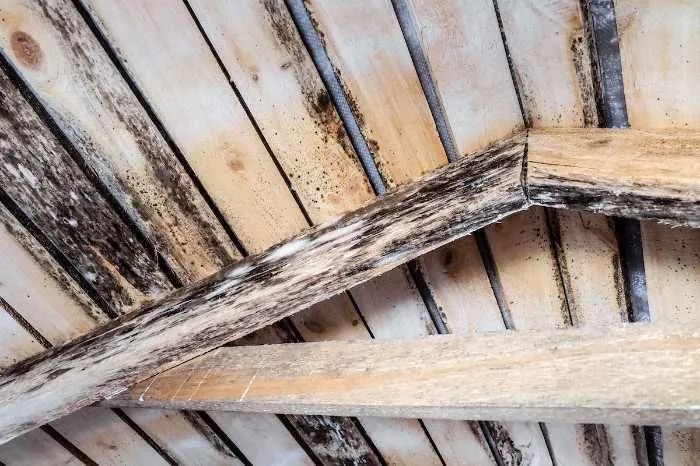
Staining on decking or framing may be associated with current moisture, previous leakage or microbial activity.
Investigation Scope
What We Evaluate When Investigating a Musty Odor
We examine accessible attic areas for material, moisture and airflow conditions that may explain why an odor is developing or moving into the home.
Where and When It Appears
We discuss the odor’s location, intensity and relationship to rainfall, humidity, temperature changes and HVAC operation.
Moisture Evidence
We look for accessible signs of leakage, condensation, damp insulation, water staining and previously wet materials.
Odor-Holding Materials
Insulation, decking, framing, stored contents and debris are evaluated for visible conditions related to the odor.
Air-Movement Pathways
Accessible ducts, attic openings, ceiling penetrations and ventilation components are considered as possible odor pathways.
A musty odor investigation is limited to accessible and visible conditions. Odor does not confirm mold. Laboratory testing or a formal assessment may require a separate, appropriately licensed specialist.
A Source-First Process
Move From a Persistent Smell to an Informed Next Step
Instead of beginning with deodorizing products, we consider how the odor behaves and look for accessible conditions that may explain why it is present.
Review the Odor Pattern
We learn where the smell is strongest, when it began and what weather or mechanical conditions make it change.
Evaluate the Accessible Attic
We inspect visible materials, insulation, ductwork, airflow pathways and moisture-prone areas for relevant evidence.
Explain the Likely Contributors
We discuss whether moisture correction, mold inspection, cleanup or another qualified specialist should be considered.
Common Questions
Port Charlotte Musty Odor Investigation FAQs
Answers about attic odors, damp materials, HVAC operation and moisture concerns in Port Charlotte homes.
What can cause a musty smell in my attic?
Possible causes include damp insulation, roof intrusion, condensation, restricted airflow, HVAC moisture, stored materials and microbial activity.
Does a musty odor prove that mold is present?
No. Mold is one possibility, but damp building materials, stagnant humid air, old water damage and stored contents can produce similar smells.
Why is the odor stronger after a storm?
Rain may expose a roof or flashing defect and wet decking or insulation. The smell can intensify as moisture reaches previously dry materials, even if no ceiling drip is visible.
Can the air-conditioning system move attic odors?
It can. Leaks around ducts, returns, equipment and ceiling penetrations may allow attic air to enter the living space while the system operates.
Can wet insulation continue to smell after the leak stops?
Yes. Insulation may retain moisture and odors after roof intrusion or condensation. Its condition should be evaluated before deciding whether it can remain in place.
What happens if mold or excess moisture is found?
We explain the accessible findings and discuss the next step. Depending on the conditions, that may include an attic mold inspection , attic moisture and ventilation evaluation or attic mold cleanup .
Find the Likely Source
Tired of an Unexplained Musty Smell in Your Port Charlotte Home?
Request an attic-focused odor investigation to better understand the accessible moisture, material and airflow conditions above your ceiling.