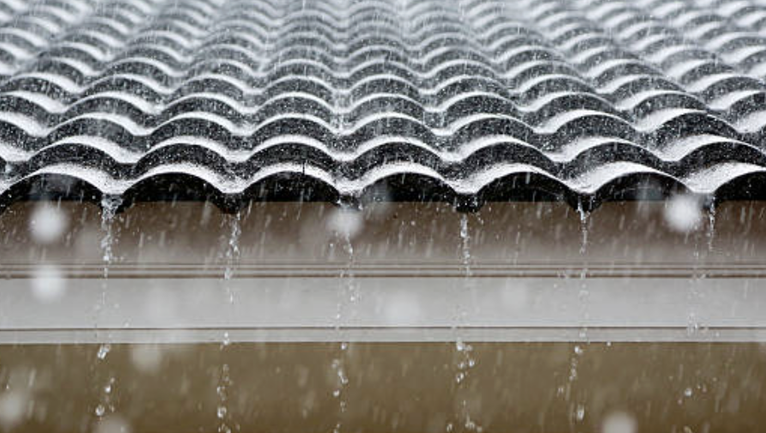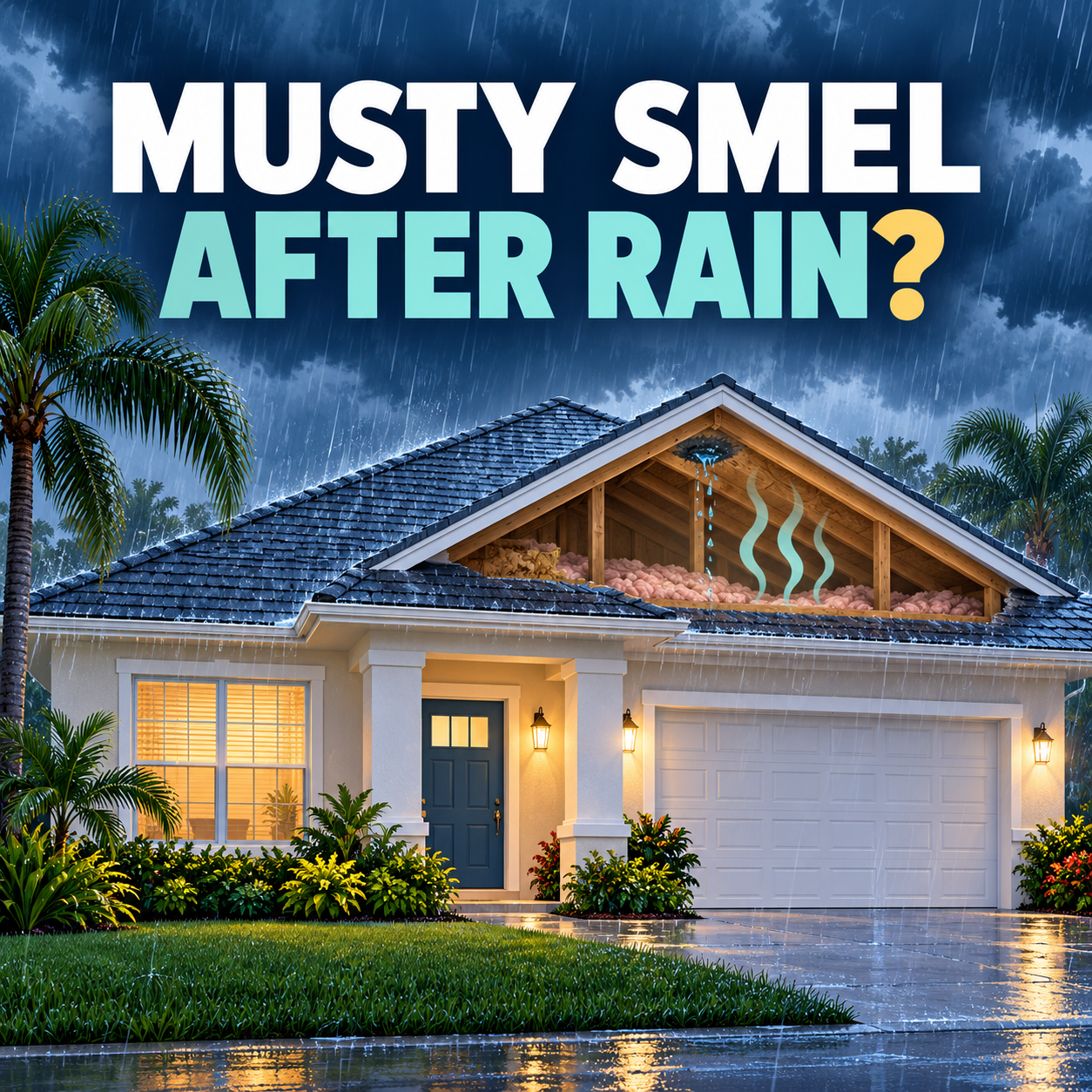
If your house smells musty after it rains, moisture may be entering through the roof, vents, windows, walls or foundation—or rainy weather may be increasing humidity around materials that were already damp. The odor should be investigated even when no active leak is immediately visible.
Quick Answer
A rain-related musty odor commonly points to roof or flashing leaks, wind-driven rain entering attic vents, damp insulation, exterior-wall intrusion, clogged drainage, HVAC moisture or previously water-damaged materials.
Rain does not necessarily create a new mold problem overnight. It may rewet an existing area or make an established hidden odor easier to notice.
Why Does a Musty Odor Become Stronger After Rain?
Rain can affect a home in several ways. Water may enter through an opening, outdoor humidity may increase, or previously damp materials may absorb additional moisture. Any of these conditions can make an existing earthy or musty odor more noticeable.
The EPA explains that compounds produced by some molds can create the musty smell associated with mold growth. A moldy odor suggests that hidden growth may be present and should be investigated.[1]
However, smell alone cannot prove that mold is present or identify its location. Wet wood, insulation, carpet, cardboard, soil and other damp materials may also produce musty odors.
Eight Reasons Your Home May Smell Musty After Rain
1. A Roof or Flashing Leak Is Wetting the Attic
Roof leaks are not always obvious. Water may enter around flashing, vents, fasteners, valleys or damaged roofing and then travel along the decking or framing before dripping onto insulation.
Possible signs include:
- An odor strongest near the attic hatch or upper-floor hallway
- New or expanding water stains on roof decking
- Darkened or compressed insulation
- Rust or staining around roof fasteners
- Ceiling discoloration that becomes darker after rain
- Odor concentrated beneath a roof penetration
A roof can leak only during wind-driven rain, making the problem difficult to reproduce during dry weather.
If the smell is strongest near the ceiling or attic access, consider an attic mold inspection in Venice .
2. Wind-Driven Rain Is Entering Attic Vents
Soffit, ridge, gable and off-ridge vents are intended to manage attic airflow, but severe wind can push rain through vulnerable openings. Hurricane and tropical-storm conditions can make this more likely.
Moisture may collect in insulation or on roof framing without producing a visible ceiling leak. Repeated wetting can create an odor near the affected attic section.
The solution is not necessarily to seal every vent. Vented and unvented attics function differently, and changes should account for the home’s roof design, insulation and HVAC system.
Learn more in 7 Attic Ventilation Problems That Can Lead to Moisture and Mold .
3. Gutters and Downspouts Are Allowing Water to Reach the Building
Clogged gutters, damaged downspouts and poor drainage can direct rainwater toward fascia, soffits, exterior walls or the foundation.
Investigate:
- Gutters overflowing during heavy rain
- Water stains on fascia or soffit materials
- Downspouts discharging beside the structure
- Standing water near walls or doors
- Exterior paint that bubbles or peels
- Odors inside rooms adjacent to recurring exterior runoff
A drainage problem can create wall or foundation moisture even when the roof itself is not leaking.
4. Water Is Entering Around Windows, Doors or Exterior Walls
Rain may enter around failed sealant, damaged flashing, siding joints, stucco cracks or utility penetrations. Wind-driven water can reach areas that remain dry during lighter rainfall.
A wall cavity may hold damp insulation or drywall without showing obvious surface moisture. Watch for swelling, staining, peeling finishes or an odor concentrated near exterior-wall closets.
The CDC identifies faulty gutters, roof problems, foundation leakage and condensation as possible sources of indoor moisture that can support mold growth.[2]
5. Attic Insulation or Ceiling Materials Were Previously Wet
A repaired roof does not automatically mean the materials below it were dried or replaced. Insulation, ceiling drywall and wood framing may retain moisture after the original leak has stopped.
Rainy weather can raise surrounding humidity or rewet the area enough for the odor to become noticeable again.
Wet or contaminated insulation may:
- Lose thermal performance
- Remain compressed after drying
- Hold moisture against framing or drywall
- Conceal staining or microbial growth beneath it
- Produce an odor even when its upper surface looks dry
Avoid installing new insulation over material that remains wet or contaminated. The source and condition of the existing material should be evaluated first.
6. Rainy Weather Is Increasing HVAC or Duct Condensation
Humid weather can increase the amount of moisture surrounding cold air-conditioning ducts. If duct insulation or its exterior vapor barrier is damaged, condensation may collect on the duct and drip onto surrounding materials.
The smell may become stronger when the air conditioner starts because the HVAC system can move odors through connected air pathways.
Check accessible areas for:
- Water droplets on duct jackets
- Torn or compressed duct insulation
- Wet attic insulation below duct runs
- Standing water near an air handler
- A clogged or overflowing condensate line
- Odors coming from indoor registers
See Why Is My AC Ductwork Sweating in the Attic? for more information.
7. Moisture Is Entering Through a Crawl Space or Foundation
Elevated homes and older Florida properties may have crawl spaces where rainwater, drainage problems or plumbing leaks create damp conditions. Slab homes may also experience moisture around wall edges, doors or penetrations when exterior drainage is poor.
Odors from below the home may enter through plumbing openings, flooring gaps, duct penetrations and other air pathways.
Look for:
- Standing water beneath or beside the home
- Odors strongest near the floor
- Warped or cupped flooring
- Damp baseboards
- Water collecting near exterior walls
- Downspouts discharging toward the foundation
8. Stored Items or Interior Materials Are Absorbing Humidity
Cardboard, clothing, books, upholstery and carpet can absorb moisture during humid or rainy weather. This is especially common in garages, closets, storage rooms and rooms with limited airflow.
The odor may come from:
- Damp cardboard boxes
- Carpet or padding affected by a past leak
- Furniture stored against an exterior wall
- Clothing placed in an enclosed closet while damp
- Items previously exposed to flooding
- Wet shoes, umbrellas or outdoor equipment
Removing one affected item may improve the odor, but recurring humidity or water intrusion should still be corrected.
| When or Where You Notice the Odor | Possible Source | What to Examine |
|---|---|---|
| Near the attic hatch after rain | Roof leak, wet insulation or vent intrusion | Decking, flashing, insulation and attic vents |
| Only during wind-driven rain | Roof, vent, window or wall penetration | Exterior openings and the area directly inside |
| When the AC begins running | HVAC moisture or odor movement | Drain pan, condensate line, coils and duct insulation |
| Inside an exterior-wall closet | Wall intrusion or condensation | Walls, trim, stored items and nearby windows |
| Near the floor after heavy rain | Foundation, slab or crawl-space moisture | Drainage, flooring, baseboards and crawl space |
| Garage or storage room | Damp belongings or exterior leakage | Boxes, fabrics, doors, walls and floor edges |
| The odor lasts for days | Materials may remain wet | Insulation, drywall, carpet, wood and concealed cavities |
What Can the Odor’s Location Tell You?
Odor location provides clues, but air movement can make the source difficult to pinpoint. An attic odor may enter through recessed lights or the access hatch. A wall-cavity odor may travel through electrical openings. HVAC equipment may distribute odors beyond the original area.
The EPA notes that hidden mold may exist behind drywall, beneath carpet, inside walls around leaking pipes, inside ductwork or within roof materials above the ceiling.[3]
This is why an effective investigation looks for water pathways and damp materials rather than relying only on where the smell is strongest.
What Should You Do When the Smell Appears?
Document the Timing and Weather
Note the date, rainfall intensity, wind direction and rooms where the odor appears. Take photographs of visible stains before they dry or change.
Look for Fresh Water Evidence
Safely check accessible ceilings, windows, doors, baseboards, cabinets and HVAC areas. Do not walk across exposed attic framing or disturb suspected mold.
Check Indoor Humidity
A humidity monitor can help identify whether indoor moisture increases during rainy weather. The Florida Department of Health recommends keeping indoor humidity below 60 percent, with levels below 50 percent preferable for controlling mold and dust mites.[4]
Dry Wet Materials Promptly
The EPA and CDC generally recommend drying wet materials within 24 to 48 hours to reduce the chance of mold growth.[5] Materials that cannot be completely cleaned and dried may require removal.
Repair the Water Source
Cleaning or deodorizing will not solve an active roof, wall, plumbing or HVAC leak. The source should be corrected before damaged materials are refinished or replaced.
When Should You Request a Professional Investigation?
Consider professional help when:
- The odor returns after every rainfall
- The source is not visible or safely accessible
- Attic insulation or roof framing appears wet
- There is visible mold-like growth
- The odor becomes stronger when the AC runs
- Ceiling or wall stains continue expanding
- The home was recently affected by a hurricane or tropical storm
- Previous roof or moisture repairs did not resolve the odor
Attic Medics provides musty-odor investigations in Venice focused on accessible attic mold, moisture, insulation, ventilation and ductwork conditions.
If moisture is present without an obvious mold problem, our attic moisture and ventilation services can help identify contributing attic conditions.
For a broader home checklist, read 10 Possible Sources of a Musty Odor in a Florida Home .
Frequently Asked Questions
Does a musty smell after rain always mean mold?
No. Wet wood, insulation, carpet, cardboard and other damp materials can also create odors. However, persistent dampness can support mold growth and should be investigated.
Can my roof leak without leaving a ceiling stain?
Yes. Water may travel along decking, rafters, trusses or insulation before reaching a visible ceiling surface. Some leaks occur only during wind-driven rain.
Why does the odor disappear when the weather dries?
Materials may release a stronger odor when their moisture content or surrounding humidity rises. The odor becoming weaker does not confirm that the underlying leak or damaged material has been corrected.
Can rain make AC ducts sweat more?
Rainy weather often brings high outdoor humidity. In a vented attic, humid air may contact cold duct surfaces and increase condensation, particularly where duct insulation is damaged.
Should I run a dehumidifier after rain?
A dehumidifier may help control indoor humidity, but it will not repair a roof, wall or HVAC leak. Identify and correct the source if the odor continues returning.
Do I need mold testing because my home smells musty?
Not automatically. The Florida Department of Health emphasizes investigating visible moisture, water damage and odor sources rather than relying on routine air sampling alone.
How quickly should wet materials be dried?
EPA and CDC guidance generally recommends drying wet materials within approximately 24 to 48 hours whenever possible. Porous materials that cannot be properly cleaned and dried may need replacement.
Does the Musty Smell Return Every Time It Rains?
Attic Medics helps Venice homeowners investigate musty odors associated with accessible attic moisture, roof-deck staining, wet insulation, ventilation concerns and duct condensation. We’ll explain what we observe and help identify the appropriate next step.
Explore all attic mold services in Venice, Florida.
References
- U.S. Environmental Protection Agency, What Does Mold Smell Like?
- Centers for Disease Control and Prevention, Mold Prevention After Hurricanes and Major Floods
- U.S. Environmental Protection Agency, A Brief Guide to Mold, Moisture and Your Home
- Florida Department of Health, Indoor Mold and Your Health
- Centers for Disease Control and Prevention, Mold: What to Know