Hurricane damage does not end when the wind and rain stop. Water can remain trapped in attic insulation, roof decking and concealed building materials—creating conditions that affect indoor air quality and allow mold to develop.
How Many Sarasota County Homes Were Affected?
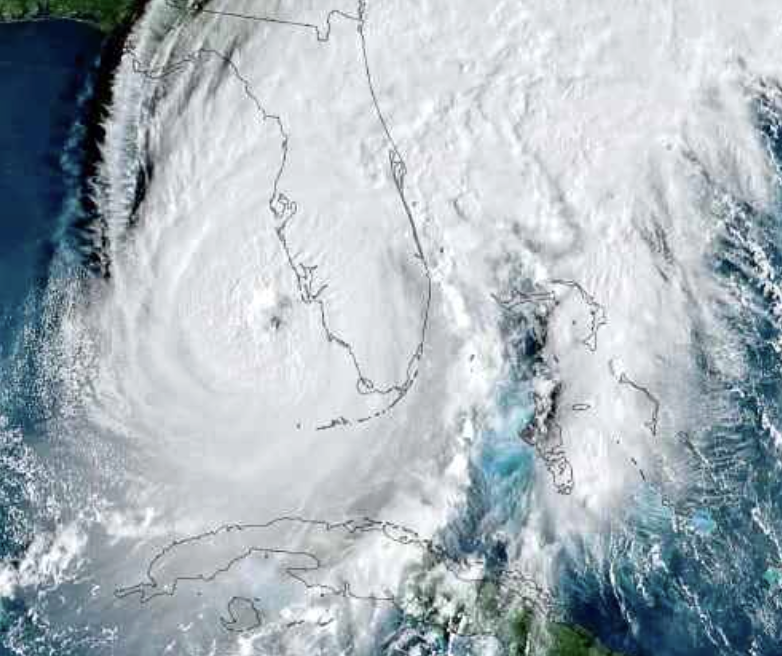
Sarasota County has experienced repeated hurricane and tropical-storm impacts. According to the county’s Unified Local Mitigation Strategy, Hurricane Helene produced an estimated four-to-seven-foot storm surge along the coast and damaged 7,644 residential properties in Sarasota County.[1]
In Venice specifically, city figures reported after Hurricanes Helene and Milton identified:
| Venice residential damage classification | Reported homes |
|---|---|
| Destroyed | 19 |
| Major damage | 250 |
| Minor damage | 1,108 |
| Affected or primarily cosmetic damage | 1,896 |
| Total reported across the classifications | 3,273 |
These figures document structural and property damage—not confirmed mold contamination. There is currently no reliable public count showing how many Sarasota County or Venice homes developed mold or indoor-air-quality problems after the hurricanes.
What the figures demonstrate is the scale of potential moisture exposure. Roof damage, storm surge, wind-driven rain and prolonged power outages can leave materials wet and reduce a home’s ability to control indoor humidity.
11 Attic Mold Warning Signs After a Hurricane
1. A New Musty or Earthy Odor
A musty smell that appears after heavy rain or a hurricane may indicate damp building materials or microbial growth. The odor might be strongest near the attic access, in an upstairs hallway or when the air conditioner begins operating.
The Florida Department of Health recommends investigating areas with moldy or musty odors because the smell may indicate a moisture or mold problem.[3]
If the source remains unclear, a musty odor investigation in Venice can help identify where the odor may be originating.
2. Dark or Irregular Roof-Deck Staining
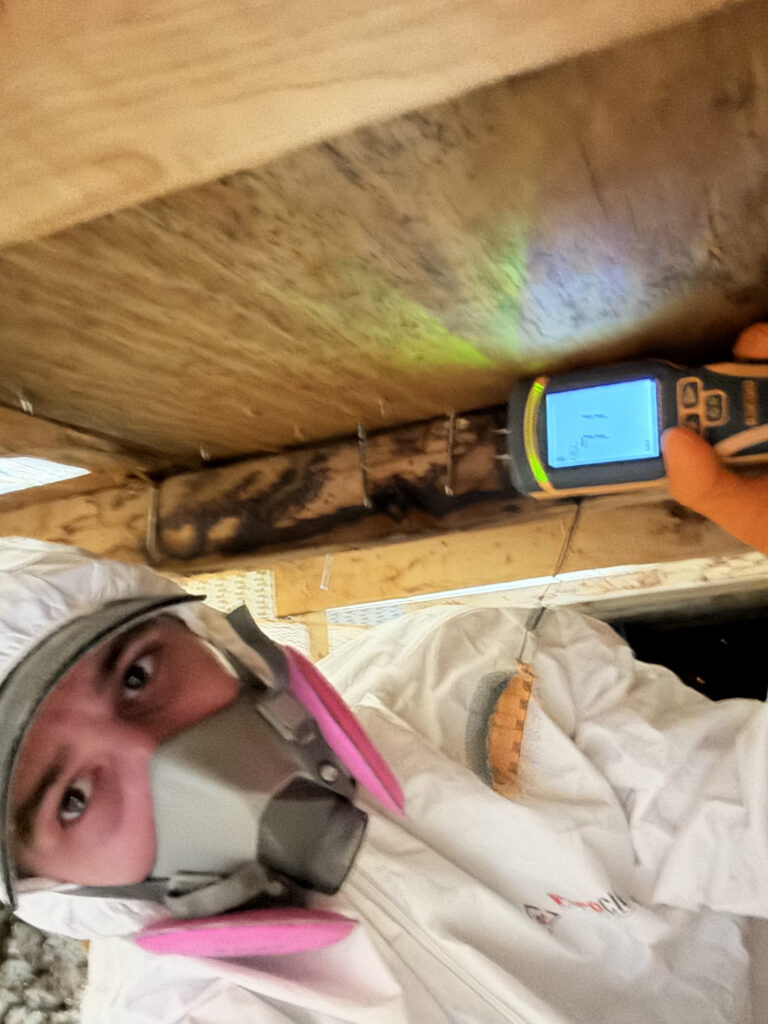
Inspect accessible roof decking and framing for new spots, streaks, patches or fuzzy-looking material. Suspected growth may appear black, gray, white, brown or green.
Pay particular attention to areas near:
- Ridge and roof vents
- Plumbing penetrations
- Skylights and chimneys
- Roof valleys
- Eaves and soffits
- Locations where debris struck the roof
Color alone cannot identify a mold species or establish its potential effects. Dirt, soot, natural wood variation and old water staining can also resemble mold.
3. Wet, Compressed or Matted Insulation
Attic insulation can hold moisture after wind-driven rain or a roof leak. Wet insulation may look darker, compressed, clumped or uneven compared with surrounding material.
Moisture may remain concealed within insulation even after exposed wood begins to look dry. Wet insulation can also keep ceiling materials and adjacent framing damp.
Do not aggressively move insulation when electrical hazards, structural damage or widespread contamination may be present.
4. New or Expanding Ceiling Stains
A stain on an interior ceiling often indicates that water traveled through the attic. The visible stain may not be directly below the roof opening because water can follow decking, trusses and other framing members.
Watch for:
- Yellow, tan or brown discoloration
- Bubbling or peeling paint
- Soft or sagging drywall
- Stains that grow after each rainfall
- Moisture around ceiling fixtures
Water near electrical fixtures requires particular caution. Avoid touching the affected fixture and contact the appropriate professional.
5. Condensation on Ducts, Pipes or Fasteners
Water droplets on insulated ducts, pipes, metal connections or roof nails may indicate that humid air is reaching a colder surface.
Following a hurricane, condensation can be influenced by:
- Prolonged power or air-conditioning outages
- Damaged or displaced duct insulation
- Outdoor humidity entering through storm damage
- Air leakage between the home and attic
- Restricted attic ventilation
Our attic moisture and ventilation services in Venice focus on identifying these contributing conditions.
6. Rust or Corrosion on Attic Components
New or widespread rust on fasteners, metal straps, equipment cabinets and duct connections can be evidence of recurring condensation or prolonged humidity.
A single rusty nail does not prove mold is present. Multiple affected components, water droplets and nearby staining provide a stronger reason to investigate the attic’s moisture conditions.
7. An Attic That Remains Damp or Humid
A hurricane can leave a home without normal air conditioning or dehumidification for an extended period. Roof openings and wet materials can add more moisture to the attic and living space.
The EPA advises drying wet materials within approximately 24 to 48 hours when possible. Materials that remain wet beyond that period are more likely to develop mold growth.[2]
Persistent humidity may be associated with:
- Wet roof decking or framing
- Saturated insulation
- Damaged ductwork
- Restricted ventilation
- Outdoor air entering through storm openings
- HVAC shutdowns or equipment damage
8. Damaged or Blocked Attic Ventilation
High winds can damage soffit panels, ridge vents, gable vents and other ventilation components. Wind-driven rain may also enter through vents that ordinarily remain dry.
Look for displaced covers, missing screens, wet insulation below vents, water trails and storm debris blocking airflow. FEMA has documented that high winds can force substantial amounts of water through attic ventilation openings.[5]
9. Disconnected Bathroom or Dryer Exhaust Ducts
Wind, vibration, falling debris or repair activity can loosen exhaust ducts. A bathroom fan or dryer that releases moisture into the attic can create localized condensation and staining.
Check accessible ducting for:
- Loose or disconnected sections
- Torn flexible duct material
- Crushed or restricted ducting
- Termination beneath insulation
- Staining around the discharge location
10. Odors That Become Stronger When the AC Operates
If a musty smell becomes more noticeable when the HVAC system starts, investigate both the attic and the accessible air-handling components. Moisture may be present around ductwork, equipment, insulation or another concealed area.
Do not operate visibly wet or storm-damaged HVAC equipment until a qualified professional determines that it is safe.
11. Staining or Growth That Returns After Cleaning
If suspected growth returns after wiping, spraying or painting, the underlying moisture source may not have been corrected.
Surface cleaning does not repair damaged roofing, dry saturated insulation, restore ventilation or correct duct condensation. The EPA explains that mold will likely return when cleanup occurs without fixing the associated water problem.[6]
Recurring or extensive growth may require a defined attic mold remediation plan.
What Should Venice Homeowners Do Next?
- Confirm that the property is safe. Do not enter an attic with unstable materials, exposed wiring or a sagging ceiling.
- Document visible damage. Photograph water stains, wet insulation and damaged vents before cleanup when it is safe.
- Stop active water intrusion. Roof and plumbing leaks require prompt professional attention.
- Dry affected materials quickly. Materials that cannot be safely and completely dried may require removal.
- Avoid disturbing suspected growth. Do not brush, sand or demolish affected materials without an appropriate plan.
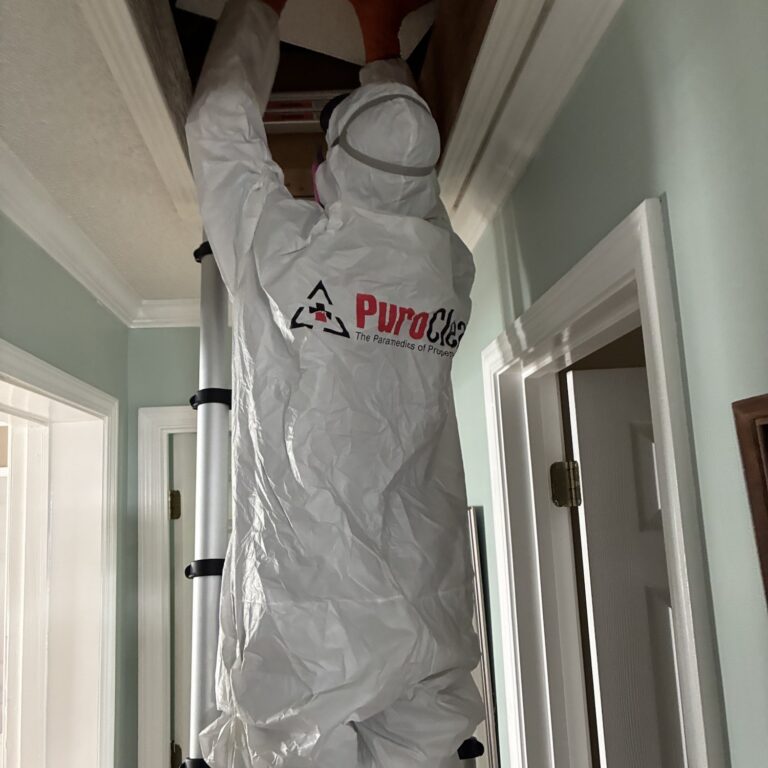
- Request a professional attic inspection. An inspection can evaluate accessible conditions and help determine whether moisture correction, formal assessment or remediation is the appropriate next step.
Attic Medics provides attic mold inspections in Venice, FL and serves homeowners throughout Venice and surrounding communities.
Frequently Asked Questions
How many Sarasota County homes developed mold after the hurricanes?
No agency has published a verified countywide total of homes with confirmed mold. Sarasota County documented 7,644 residential properties damaged by Hurricane Helene, but property damage does not automatically mean mold was present.
How quickly can mold develop after hurricane water intrusion?
EPA guidance recommends drying wet materials within approximately 24 to 48 hours when possible. Materials that remain wet longer face a greater risk of mold growth.
Can an attic have mold without a visible ceiling leak?
Yes. Water may remain in insulation or along roof decking without immediately reaching the finished ceiling. Condensation and elevated humidity can also create moisture without an obvious roof leak.
Does every dark attic stain indicate mold?
No. Dirt, soot, natural wood variation and previous water staining can resemble mold. The surrounding moisture conditions and material history should also be evaluated.
Should I inspect the attic myself after a hurricane?
Only if the home and attic are structurally and electrically safe and the area is easily accessible. Do not enter when ceilings sag, electrical components are wet or framing appears damaged.
Worried About Attic Mold After a Hurricane?
Attic Medics can evaluate accessible attic conditions, storm-related moisture, insulation, ventilation and visible concerns for homeowners throughout Venice and Southwest Florida.
References
- Sarasota County Unified Local Mitigation Strategy — Hurricane Helene Residential Property Damage
- U.S. Environmental Protection Agency — Floods and Indoor Air Quality
- Florida Department of Health — Mold, Moisture and Indoor Air
- Sarasota Herald-Tribune — Helene and Milton Damage Report for Venice
- FEMA — Minimizing Water Intrusion Through Roof Vents in High-Wind Regions
- U.S. Environmental Protection Agency — How Can I Tell if I Have a Mold Problem?