
Attic Mold Inspection · North Port, Florida
Attic Mold Inspection in North Port, FL
Musty odors, ceiling stains, damp insulation and unusual discoloration may point to an attic moisture problem. Attic Medics evaluates accessible attic conditions, documents visible findings and helps North Port homeowners determine the appropriate next step.
- Attic-Focused Evaluation
- Moisture Indicators Assessed
- Clear Findings & Recommendations
Why North Port homeowners choose Attic Medics

Available 24/7
Call anytime for assistance with attic mold, moisture or odor concerns in North Port.

25+ Years of Experience
Powered by PuroSystems, a property-restoration provider serving customers for more than 25 years.

IICRC Certified
Professional service guided by recognized restoration-industry standards and established practices.

Attic Inspections for North Port Homes
Understand What Is Happening Above Your Ceiling
An attic mold inspection examines accessible attic materials for visible growth, staining, moisture, condensation and other conditions that may indicate a larger problem.
North Port’s humid climate, heavy seasonal rain and long air-conditioning cycle can expose an attic to moisture from several directions. Roof intrusion, cool duct surfaces, damaged duct insulation and indoor air escaping through ceiling openings can all affect attic materials.
A single dark spot or musty smell does not explain the entire condition. Attic Medics evaluates accessible roof decking, framing, insulation, ductwork and ventilation pathways together to develop a clearer picture of what may be happening.
If visible growth is confirmed, the findings can help determine whether attic mold cleanup and remediation should be considered. When excess moisture is the main concern, an attic moisture and ventilation evaluation may be the appropriate next step.
- Accessible roof decking and framing evaluated
- Visible moisture and condensation indicators documented
- Insulation, ductwork and airflow conditions considered
- Findings and recommended next steps explained clearly
When to Investigate
Signs You May Need an Attic Mold Inspection
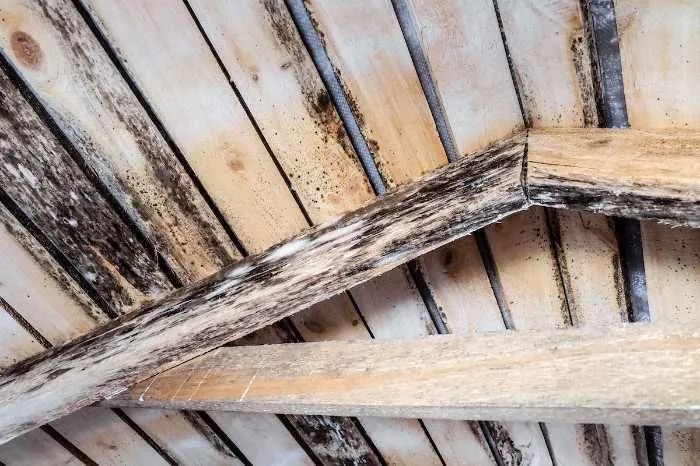
Consider an attic inspection when you notice discoloration, musty odors, ceiling stains, wet insulation, condensation or evidence that the attic was previously exposed to water.
Unusual Spots or Staining
Dark, light or irregular areas on roof decking, trusses or framing may warrant a closer evaluation.
Musty Odors Indoors
Smells near the attic access, closets, ceilings or air vents may be associated with damp materials or attic air entering the home.
Ceiling Water Marks
Stains, peeling paint or previous roof leaks may indicate that attic materials have been exposed to moisture.
Damp or Disturbed Insulation
Wet, compressed or discolored insulation may be connected to leakage, condensation, duct problems or air movement.
Condensation in the Attic
Moisture on ducts, metal fasteners or roof decking may indicate high humidity, air leakage or damaged insulation.
Recent Roof or HVAC Problems
Storm damage, roof repairs, leaking ducts or changes to attic ventilation can alter moisture and airflow conditions.
Inspection Scope
What We Look for During an Attic Mold Inspection
We examine accessible attic areas for visible growth, moisture indicators and building conditions that may help explain staining, odors, condensation or damp materials.
Visible Attic Materials
Accessible roof decking, rafters, trusses, framing, insulation and other visible surfaces are evaluated for concerning conditions.
Moisture Indicators
We look for staining, damp materials, condensation, corrosion and evidence of present or previous water intrusion.
Airflow & Insulation
Observable ventilation pathways, insulation conditions, ductwork and visible air-leakage concerns are considered.
Recommended Next Steps
We explain the visible findings and available options for moisture correction, further assessment or remediation.
Inspection is limited to accessible and visible areas. A visual attic inspection is not the same as laboratory testing or a formal mold assessment. When required, those services may need to be completed by an appropriately licensed mold assessor.
Our Inspection Process
From an Attic Concern to Clear Next Steps
The objective is not to reach a conclusion from one spot or odor. We evaluate the accessible attic, consider the surrounding conditions and explain what the visible evidence may indicate.
Discuss What You Noticed
We review any odors, stains, leaks, storm damage, inspection findings or indoor changes that led you to investigate the attic.
Evaluate Accessible Areas
We inspect visible attic materials for growth, staining, condensation, dampness and contributing building conditions.
Explain the Findings
We discuss what was observed and whether moisture correction, additional assessment or attic mold remediation may be appropriate.
Common Questions
North Port Attic Mold Inspection FAQs
Answers to common questions about attic mold, moisture, staining and musty odors in North Port homes.
What are the common signs of attic mold?
Warning signs may include irregular discoloration on roof decking or framing, musty odors, damp insulation, ceiling stains and evidence of condensation or previous roof leakage. These signs do not confirm the cause, but they indicate that the attic should be evaluated.
Does a musty smell mean there is mold in my attic?
Not necessarily. Damp insulation, stored materials, old water damage and humid air can create similar odors. A musty odor investigation can help identify likely contributors.
Does an attic inspection include laboratory mold testing?
Laboratory sampling is not automatically included in a visual attic inspection. If formal assessment or testing is appropriate, it may need to be completed by an appropriately licensed mold assessor.
Can attic mold develop without an active roof leak?
Yes. Condensation, leaking or poorly insulated ducts, conditioned air escaping through ceiling penetrations, restricted ventilation and damp insulation can introduce moisture without an active roof leak.
What happens if mold or excess moisture is found?
We explain the accessible findings and discuss the appropriate next steps. These may include correcting a leak, addressing attic moisture or ventilation , obtaining additional assessment or developing an attic mold cleanup and remediation plan.
Should the attic be inspected before buying or selling a home?
An attic-focused inspection may provide useful information when a general home inspection identifies staining, odors, moisture, ventilation concerns or suspected growth. It does not replace a complete home inspection or formal mold assessment.
Get Clear Answers
Concerned About Mold or Moisture in Your North Port Attic?
Request an attic inspection to better understand the visible conditions, likely moisture contributors and appropriate next steps.