
Musty Odor Investigation · Venice, Florida
Musty Odor Investigation in Venice, FL
A persistent musty smell can indicate damp insulation, trapped humidity, a concealed leak, HVAC-related moisture or microbial activity. Attic Medics investigates accessible attic conditions to help Venice homeowners identify where the odor may be coming from and what should happen next.
- Attic-Focused Investigation
- Moisture Indicators Evaluated
- Clear Findings & Next Steps
Why Venice homeowners choose Attic Medics

Available 24/7
Call anytime for help with unexplained attic odors and moisture concerns in Venice.

25+ Years of Experience
Powered by PuroSystems, a property-restoration provider serving customers for more than 25 years.

IICRC Certified
Professional service guided by recognized restoration-industry standards and established practices.

Trace the Odor to Its Likely Source
Why Your Venice Home May Smell Musty
A musty odor is commonly associated with damp or poorly ventilated materials, but the source is not always located in the room where the smell is strongest. Air can move from an attic through ceiling penetrations, duct openings, recessed fixtures, closets and attic access points.
In Venice homes, high humidity, roof leaks, duct condensation, damaged insulation and restricted attic airflow can all contribute to odors. Stored cardboard, organic debris and previously wet materials can produce similar smells.
Attic Medics investigates the accessible attic for visible moisture, staining, damp insulation, airflow conditions and other evidence that may help identify the source. We focus on the underlying condition rather than simply covering the odor.
- Accessible attic materials visually evaluated
- Moisture and condensation indicators investigated
- Likely odor sources and next steps explained
When to Investigate
Signs a Musty Odor May Be Coming From the Attic
An attic should be evaluated when an odor becomes stronger near ceilings, closets, air vents or the attic access—or when it appears after rain, periods of high humidity or HVAC operation.
Odor Near the Attic Access
A smell concentrated near the attic hatch or pull-down stairs may indicate that attic air is entering the living space.
Smell After Heavy Rain
An odor that appears or intensifies after a storm may be connected to roof intrusion, damp insulation or wet wood.
Odor During HVAC Operation
Changes when the cooling system runs may point to duct leakage, condensation or air being pulled from the attic.
Ceiling Stains or Discoloration
Water marks or staining below the attic may indicate a current or previous moisture condition above the ceiling.
Damp or Matted Insulation
Wet, compressed or discolored insulation can retain odors and may point to leakage, condensation or another moisture source.
Visible Attic Discoloration
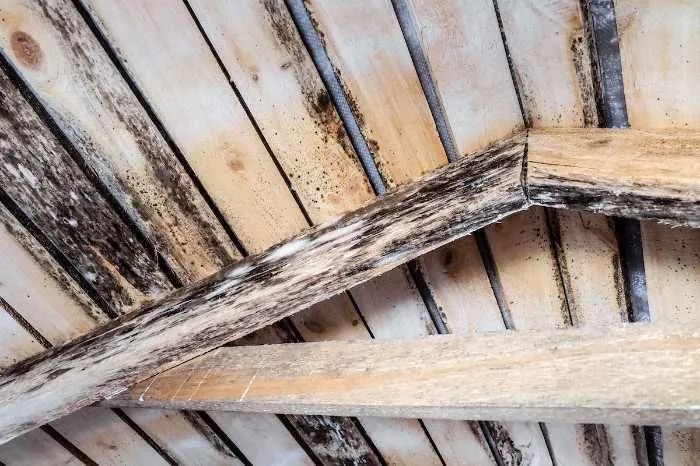
Irregular staining on roof decking or framing may be associated with moisture, previous leakage or microbial activity.
Odor Investigation Scope
What We Evaluate During a Musty Odor Investigation
A musty smell can travel through attic openings, ductwork and wall cavities, making the source difficult to identify from inside the living space. We examine accessible attic areas for moisture indicators, airflow concerns and materials that may be holding or producing the odor.
Odor Location & Pattern
We discuss where the odor is strongest, when it appears and whether it changes after rain, during humid weather or while the HVAC system is operating.
Moisture Indicators
We look for accessible signs of roof leakage, condensation, damp insulation, water staining and other conditions that may contribute to a persistent musty smell.
Attic Materials
Roof decking, framing, insulation, stored belongings and debris may retain moisture or odors. We evaluate visible and accessible materials for relevant warning signs.
Airflow & Duct Conditions
We assess accessible ventilation components, ductwork, attic penetrations and air pathways that may allow odors to collect or move into the home.
A Source-First Approach
From an Unexplained Odor to Clear Next Steps
Air fresheners and surface cleaning may temporarily cover a musty smell, but they do not correct an attic moisture or ventilation problem. Our process focuses on finding likely contributors instead of simply masking the odor.
Document the Pattern
We learn when and where the odor occurs and whether it changes with rainfall, humidity, temperature or HVAC use.
Inspect Accessible Areas
We examine accessible attic materials, insulation, ventilation, ductwork and moisture-prone areas for conditions related to the odor.
Explain Likely Sources
We review what was observed and explain whether moisture control, ventilation improvements, mold inspection or remediation should be considered.
Common Questions
Musty Odor Investigation FAQs
Straightforward answers about attic odors, moisture and mold concerns in Venice homes.
Request an Odor InvestigationWhat causes a musty smell in an attic?
Common causes include damp insulation, roof leakage, condensation, restricted ventilation, HVAC moisture, stored materials and microbial growth. An inspection helps narrow down which conditions are present.
Does a musty odor always mean there is mold?
No. Mold is one possible cause, but moisture, wet insulation, stagnant air and other materials can produce similar odors. The source should be investigated before conclusions are made.
Why does the odor get stronger after it rains?
A smell that becomes stronger after rain may be connected to a roof leak, wind-driven moisture or damp attic materials. Even a small leak can wet insulation or wood without producing an immediate ceiling drip.
Can attic odors move through the HVAC system?
They can. Air leaks around ducts, attic-mounted equipment, penetrations or return-air pathways may allow odors to enter the living space when the system operates.
Can wet attic insulation hold a musty smell?
Yes. Insulation can absorb moisture and retain odors, especially after roof leakage or condensation. Damp or compressed insulation may also perform less effectively.
What happens if you find mold or excess moisture?
We explain the visible conditions and appropriate next steps. Depending on the findings, that may include moisture and ventilation improvements , an attic mold inspection or attic mold remediation .
Find the Source
Tired of an Unexplained Musty Smell in Your Venice Home?
Attic Medics can evaluate accessible attic conditions, identify likely odor and moisture contributors and provide clear recommendations for your next step.
Why Venice homeowners choose Attic Medics
Available 24/7
Call anytime for help with attic moisture, odors and related concerns in Venice.
25+ Years of Experience
Powered by PuroSystems, a property-restoration provider serving customers for more than 25 years.
IICRC Certified
Professional service guided by recognized restoration-industry standards and established practices.
Built for Southwest Florida Attics
Why Attic Moisture Problems Develop in Venice
Venice attics face long periods of heat and humidity, frequent storms and heavy cooling demand. Warm, moisture-laden air can enter through ceiling gaps, attic access points or duct leakage. Roof leaks, blocked intake vents and unbalanced exhaust ventilation can make the condition worse.
Attic Medics looks beyond a single stain or damp area. We evaluate how accessible roof, airflow, insulation and HVAC-related conditions may be interacting. If moisture has already produced an unexplained smell, our musty odor investigation service in Venice can help narrow down the source.
- Humidity and condensation concerns
- Soffit, ridge and exhaust ventilation observations
- Visible roof, duct and insulation conditions
When to Investigate
Signs of an Attic Moisture or Ventilation Problem
Moisture problems are not always obvious from the living space. Condensation, staining, damp insulation and uneven temperatures can indicate that the attic should be evaluated.
Condensation on Attic Materials
Moisture on roof fasteners, decking, ducts or mechanical equipment may point to elevated humidity or air leakage.
Damp or Compressed Insulation
Wet, discolored or matted insulation can lose performance and may indicate a roof, duct or condensation-related source.
Blocked or Limited Ventilation
Covered soffit vents, inadequate exhaust paths or poor air movement can allow heat and moisture to remain trapped.
Roof Deck Staining
Darkened or irregular areas on roof decking and framing may reflect current moisture, a past leak or recurring condensation.
Musty Odors Near the Attic
Odors around attic access points, closets or ceilings can be associated with damp materials or microbial activity.
Hot Rooms or Uneven Temperatures
Persistent comfort problems may relate to insulation gaps, duct leakage, air sealing or attic ventilation conditions.