
Attic Mold Remediation · Venice, Florida
Attic Mold Remediation in Venice, FL
Attic mold often develops where roof leaks, condensation, humid air, duct problems or restricted airflow keep attic materials damp. Attic Medics provides attic-focused mold remediation in Venice that addresses affected materials while helping identify the moisture conditions that allowed the problem to develop.
- Attic-Focused Remediation
- Moisture Conditions Evaluated
- Clear Scope & Recommendations
Why Venice homeowners choose Attic Medics

Available 24/7
Call anytime for help with attic mold and moisture concerns in Venice, Florida.

25+ Years of Experience
Powered by PuroSystems, a property-restoration provider serving customers for more than 25 years.

IICRC Certified
Professional service guided by recognized restoration-industry standards and established practices.

Mold Remediation for Florida Attics
Address the Mold and the Conditions Behind It
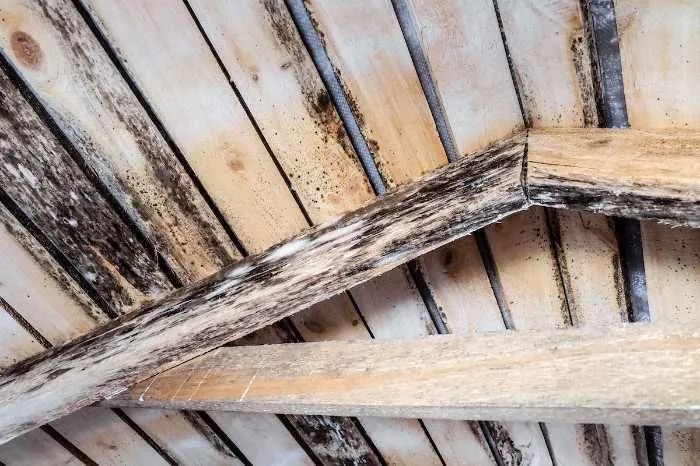
Attic mold is usually a symptom of an unresolved moisture condition. In Venice homes, roof leakage, wind-driven rain, condensation, duct problems, air leakage and restricted ventilation can keep roof decking, framing or insulation damp enough for growth to develop.
Effective remediation begins by understanding which materials are affected and why. Treating visible growth without correcting the source can allow the same condition to return.
If the extent or cause has not been established, begin with an attic mold inspection in Venice . If condensation or airflow appears to be involved, our attic moisture and ventilation service can help identify contributing conditions.
- Attic decking, framing and insulation evaluated
- Affected materials addressed using an appropriate scope
- Moisture and airflow contributors considered
When Remediation May Be Needed
Signs of an Attic Mold Problem
Widespread growth, recurring discoloration, damp insulation and persistent odors may indicate that professional attic mold remediation should be considered.
Visible Growth on Roof Decking
Growth across plywood, OSB, rafters or trusses may require more than isolated surface cleaning.
Recurring Discoloration
Staining that returns after cleaning may indicate that the moisture source remains active.
Persistent Musty Odors
Odors near attic access points, ceilings or closets may be associated with damp materials or microbial activity.
Affected Insulation
Wet, contaminated or damaged insulation may require removal and replacement as part of the remediation scope.
Previous Roof or Storm Damage
Attic materials may remain affected after the original roofing problem or water intrusion has been repaired.
Condensation and High Humidity
Repeated condensation on ducts, fasteners or roof decking can maintain conditions that support attic mold growth.
Remediation Scope
What Attic Mold Remediation May Include
The appropriate scope depends on the affected materials, attic accessibility, extent of visible growth and the conditions causing moisture to remain in the space.
Work-Area Preparation
Establishing appropriate access, protection and work-area controls based on attic conditions.
Affected Material Removal
Removing unsalvageable insulation or other porous materials when required by the remediation scope.
Attic Surface Remediation
Addressing affected roof decking, framing and other accessible structural attic materials using appropriate methods.
Moisture Recommendations
Identifying visible moisture contributors and explaining corrective work that may be needed to reduce recurrence.
The final remediation scope depends on accessible conditions and any applicable assessment or protocol requirements. Roofing, HVAC, electrical or other specialized repairs may require separately licensed professionals.
Our Remediation Approach
From Attic Assessment to a Cleaner, Drier Space
Attic remediation should address the affected materials while recognizing that moisture correction is essential to the long-term result.
Evaluate and Define
We review accessible attic conditions and establish the affected areas and appropriate scope of work.
Perform the Remediation
Affected materials are addressed using methods appropriate for the attic surfaces, accessibility and documented conditions.
Explain the Next Steps
We identify visible moisture contributors and explain any additional roofing, HVAC, insulation or ventilation work that may be appropriate.
Common Questions
Attic Mold Remediation FAQs
Answers to common questions from Venice homeowners dealing with mold growth, attic moisture and remediation decisions.
What causes mold to grow in a Venice attic?
Common contributors include roof leaks, wind-driven rain, condensation, leaking or poorly insulated ducts, indoor air escaping through ceiling openings, damaged insulation and restricted ventilation.
Can attic mold simply be painted over?
Covering visible growth does not remove affected material or correct the moisture condition supporting it. The attic should be evaluated and an appropriate remediation scope established before coatings are considered.
Will attic mold return after remediation?
Remediation addresses the affected materials, but recurrence remains possible if roof leakage, condensation, duct problems, insulation gaps or other moisture sources are not corrected.
Does all stained roof decking need replacement?
Not necessarily. Staining alone does not establish the material’s condition or determine the correct remediation method. Accessible materials should be evaluated before removal or replacement decisions are made.
Should the attic be inspected before remediation?
Yes. An attic mold inspection helps document the visible conditions, identify possible moisture contributors and determine the appropriate next step.
Take the Next Step
Concerned About Mold in Your Venice Attic?
Request an attic inspection to better understand the affected materials, visible moisture conditions and appropriate remediation options.
Why Venice homeowners choose Attic Medics
Available 24/7
Call anytime for help with attic moisture, odors and related concerns in Venice.
25+ Years of Experience
Powered by PuroSystems, a property-restoration provider serving customers for more than 25 years.
IICRC Certified
Professional service guided by recognized restoration-industry standards and established practices.
Built for Southwest Florida Attics
Why Attic Moisture Problems Develop in Venice
Venice attics face long periods of heat and humidity, frequent storms and heavy cooling demand. Warm, moisture-laden air can enter through ceiling gaps, attic access points or duct leakage. Roof leaks, blocked intake vents and unbalanced exhaust ventilation can make the condition worse.
Attic Medics looks beyond a single stain or damp area. We evaluate how accessible roof, airflow, insulation and HVAC-related conditions may be interacting. If moisture has already produced an unexplained smell, our musty odor investigation service in Venice can help narrow down the source.
- Humidity and condensation concerns
- Soffit, ridge and exhaust ventilation observations
- Visible roof, duct and insulation conditions
When to Investigate
Signs of an Attic Moisture or Ventilation Problem
Moisture problems are not always obvious from the living space. Condensation, staining, damp insulation and uneven temperatures can indicate that the attic should be evaluated.
Condensation on Attic Materials
Moisture on roof fasteners, decking, ducts or mechanical equipment may point to elevated humidity or air leakage.
Damp or Compressed Insulation
Wet, discolored or matted insulation can lose performance and may indicate a roof, duct or condensation-related source.
Blocked or Limited Ventilation
Covered soffit vents, inadequate exhaust paths or poor air movement can allow heat and moisture to remain trapped.
Roof Deck Staining
Darkened or irregular areas on roof decking and framing may reflect current moisture, a past leak or recurring condensation.
Musty Odors Near the Attic
Odors around attic access points, closets or ceilings can be associated with damp materials or microbial activity.
Hot Rooms or Uneven Temperatures
Persistent comfort problems may relate to insulation gaps, duct leakage, air sealing or attic ventilation conditions.