
Attic Mold Remediation · Englewood, Florida
Attic Mold Cleanup & Remediation in Englewood, FL
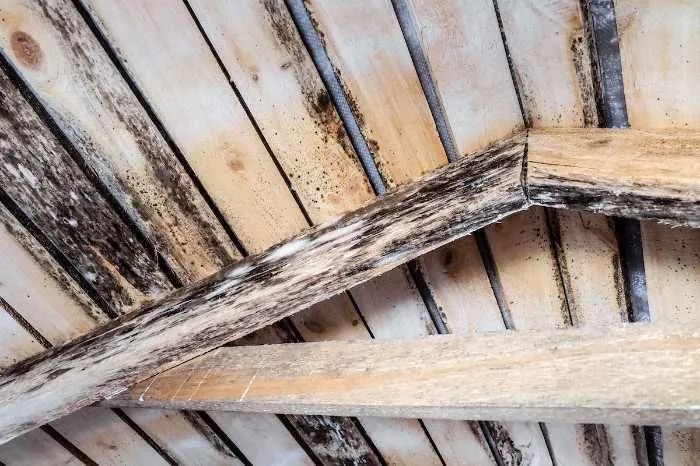
Attic mold can affect roof decking, framing and insulation when coastal humidity, storm intrusion or condensation keeps those materials damp. Attic Medics provides attic mold remediation in Englewood based on the affected materials, attic conditions and moisture sources connected to the growth.
- Attic-Focused Remediation
- Affected Materials Evaluated
- Moisture Conditions Considered
Why Englewood homeowners choose Attic Medics

Available 24/7
Call anytime for assistance with attic mold, storm-related moisture and persistent odors in Englewood.

25+ Years of Experience
Powered by PuroSystems, a property-restoration provider serving customers for more than 25 years.

IICRC Certified
Professional service guided by recognized restoration-industry standards and established practices.

Mold Remediation for Coastal Florida Attics
Address the Attic Mold and the Moisture Behind It
Attic mold develops when susceptible materials remain damp. In Englewood homes, moisture may come from wind-driven rain, damaged roofing, condensation around cold ductwork or humid air entering through ventilation and ceiling pathways.
Moisture can travel along roof decking and framing or collect in insulation before a ceiling stain appears. Even after a roof leak is repaired, previously affected materials may continue to show growth, staining or musty odors.
Effective attic mold remediation begins with a defined scope. The affected materials, attic access, extent of visible growth and contributing moisture conditions should be understood before cleanup begins.
If the extent of the condition is uncertain, begin with an attic mold inspection in Englewood . If humidity, condensation or airflow appears to be contributing, an attic moisture and ventilation evaluation can help identify conditions that may require correction.
- Accessible affected materials evaluated
- Remediation based on a defined scope
- Visible moisture contributors considered
- Additional corrective work explained clearly
When Remediation May Be Needed
Signs of a More Extensive Attic Mold Condition
Growth across multiple attic surfaces, recurring discoloration, affected insulation and continuing moisture may indicate that professional attic mold remediation should be considered.
Growth Across Multiple Materials
Visible growth extending across decking, rafters or trusses may require a broader remediation scope than one isolated area.
Discoloration That Returns
Staining that reappears after previous cleaning may indicate that the moisture source or affected material was not fully addressed.
Musty Odors Entering the Home
Odors near attic openings, closets or ceiling penetrations may be associated with damp attic materials and air movement.
Affected Attic Insulation
Wet, contaminated or deteriorated insulation may require removal when it cannot be appropriately addressed in place.
Remaining Damage After a Roof Leak
Roof decking, framing and insulation may remain affected after roofing repairs have stopped additional water intrusion.
Recurring HVAC Condensation
Moisture forming around ducts or attic equipment can repeatedly expose nearby wood and insulation to damp conditions.
Remediation Scope
What Englewood Attic Mold Remediation May Include
The final scope depends on attic access, the materials involved, the extent of visible growth and the conditions that allowed moisture to remain.
Access & Work-Area Controls
Preparing appropriate attic access, property protection and work-area controls for the planned remediation activities.
Porous Material Removal
Removing unsalvageable insulation or other affected porous materials when required by the remediation scope.
Structural Surface Remediation
Addressing accessible decking, framing and other structural attic materials using methods appropriate for those surfaces.
Moisture Follow-Up
Identifying visible moisture contributors and explaining roofing, HVAC, insulation or ventilation work that may be necessary.
The remediation scope depends on accessible conditions and applicable assessment or protocol requirements. Roofing, HVAC, electrical, engineering or other specialized repairs may require separately licensed professionals.
Our Remediation Process
A Defined Path From Attic Inspection to Remediation
The objective is to address the affected attic materials while keeping the moisture conditions connected to the growth in view.
Confirm the Scope
We review accessible conditions and define the affected materials, work areas and appropriate remediation activities.
Prepare the Attic
Access, property protection and work-area controls are established according to the attic layout and planned work.
Address Affected Materials
Materials are cleaned, treated or removed using methods appropriate for the surface and documented condition.
Review Moisture Corrections
We explain visible contributing conditions and identify additional specialist work that may help reduce the likelihood of recurrence.
Common Questions
Englewood Attic Mold Remediation FAQs
Answers about attic mold cleanup, remediation scopes and moisture correction for Englewood homes.
What commonly causes attic mold in Englewood?
Possible contributors include roof intrusion, wind-driven rain, HVAC condensation, damaged duct insulation, indoor air leakage, damp insulation and restricted attic airflow.
What is the difference between cleaning and mold remediation?
Surface cleaning focuses on a visible spot. Remediation follows a defined scope based on the affected materials, extent of growth, work-area conditions and underlying moisture concerns.
Can attic mold simply be covered with paint?
Covering a discolored area does not remove affected material or correct the moisture supporting the condition. The attic should be evaluated and an appropriate remediation scope established first.
Can mold return after attic remediation?
Mold may return if roof intrusion, condensation, duct problems, ceiling air leakage or another source continues to keep attic materials damp.
Does all discolored roof decking need replacement?
Not necessarily. Discoloration alone does not determine the material’s condition or the appropriate remediation method. Accessible materials should be evaluated before replacement decisions are made.
Should I schedule an inspection before remediation?
Yes. An attic mold inspection can document visible conditions, identify likely moisture contributors and help establish an appropriate remediation scope.
What happens to mold-affected attic insulation?
The decision depends on the insulation type, moisture exposure, condition and accessibility. Wet or unsalvageable porous insulation may require removal and replacement.
Take the Next Step
Concerned About Mold in Your Englewood Attic?
Request an attic inspection to better understand the affected materials, visible moisture conditions and appropriate remediation options.