
Attic Moisture & Ventilation · Englewood, Florida
Attic Moisture & Ventilation Services in Englewood, FL
Coastal humidity, wind-driven rain, condensation and escaping indoor air can leave an Englewood attic damp even when there is no obvious ceiling leak. Attic Medics evaluates accessible roof-deck patterns, insulation, ductwork and airflow conditions to help identify the source and determine the appropriate next steps.
- Moisture Sources Evaluated
- Attic Airflow Assessed
- Clear Recommendations
Why Englewood homeowners choose Attic Medics

Available 24/7
Call anytime for assistance with attic moisture, condensation or ventilation concerns in Englewood.

25+ Years of Experience
Powered by PuroSystems, a property-restoration provider serving customers for more than 25 years.

IICRC Certified
Professional service guided by recognized restoration-industry standards and established practices.

Moisture Control for Coastal Florida Attics
Why Englewood Attics Develop Moisture Problems
Englewood’s warm coastal air, seasonal storms and extended cooling season can expose attics to moisture from several directions. The correct solution depends on identifying how that moisture is entering or forming.
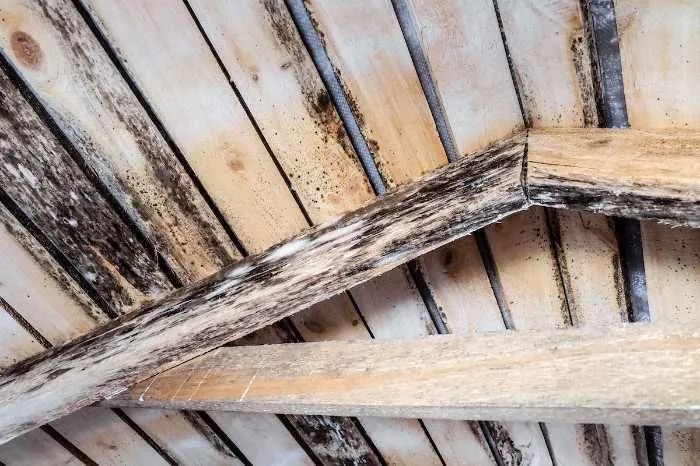
Wind-driven rain may enter around roof penetrations, flashing or damaged roofing materials without immediately producing a visible ceiling leak. Moisture can instead collect in insulation or leave stains on the underside of the roof deck.
Condensation may also form when humid attic air reaches cold ducts or HVAC components. Damaged duct insulation, leaking seams and air escaping through ceiling openings can make these conditions worse.
Attic Medics evaluates accessible components as one connected system. We look for patterns that help distinguish roof intrusion, condensation, indoor air leakage, insulation problems and restricted airflow before recommending corrective work.
- Visible moisture and condensation patterns assessed
- Accessible intake and exhaust pathways reviewed
- Ductwork, insulation and roof-deck conditions considered
- Likely contributors and practical next steps explained
Moisture Warning Signs
Signs Your Englewood Attic Needs an Evaluation
Sweating ducts, damp insulation, corroded fasteners, roof-deck staining and musty odors can indicate that moisture is entering or collecting inside the attic.
Condensation on Ductwork
Water droplets may form when humid attic air reaches cold ducts with damaged insulation, exposed connections or leaking seams.
Stains Near Roof Penetrations
Discoloration near vents, flashing or other roof openings may indicate rain intrusion or an older unresolved leak.
Damp or Matted Insulation
Insulation that appears compressed, wet or discolored may be holding moisture from a roof, duct or condensation problem.
Corroded Fasteners
Rust on nails, connectors or other metal surfaces can signal recurring condensation or elevated attic humidity.
Musty Odors After Rain
Odors that become stronger after storms may be connected to wet insulation, damp wood or air moving from the attic into the home.
Rooms That Are Hard to Cool
Duct leakage, uneven insulation and ceiling air gaps can affect indoor comfort while changing how moisture moves through the attic.
Evaluation Scope
What We Evaluate Inside an Englewood Attic
We examine accessible attic areas for visible evidence that helps explain where moisture is entering, developing or remaining.
Moisture Patterns
We look for staining, condensation, damp materials, corrosion and other evidence of current or previous moisture exposure.
Roof Deck & Penetrations
Accessible roof-deck areas, flashing locations and penetrations are reviewed for visible signs of water intrusion.
Ductwork & Insulation
We assess accessible ducts, duct insulation and attic insulation for condensation, damage, displacement or moisture exposure.
Airflow & Ceiling Leakage
Visible ventilation pathways and ceiling openings are considered as possible contributors to attic heat and moisture movement.
Evaluation is limited to accessible and visible areas. Roofing, HVAC, electrical, engineering or other specialized work may require an appropriately licensed professional.
A Cause-First Approach
Find the Moisture Source Before Choosing the Solution
Attic staining, condensation and odors can look similar while having very different causes. We begin with the visible conditions instead of assuming every attic needs the same product or correction.
Discuss the Symptoms
We review storm history, roof leaks, odors, indoor comfort concerns and HVAC changes that may relate to the attic condition.
Evaluate Accessible Areas
We examine visible roof-deck patterns, insulation, ductwork, ventilation pathways and accessible ceiling openings.
Identify Likely Contributors
We explain whether the evidence appears related to roof intrusion, condensation, air leakage, insulation or restricted airflow.
Prioritize Corrections
We outline practical next steps and identify when a roofer, HVAC contractor or another qualified specialist may be needed.
Common Questions
Englewood Attic Moisture & Ventilation FAQs
Answers about coastal humidity, attic condensation, airflow, ductwork and moisture concerns in Englewood homes.
Why does my Englewood attic feel damp?
Possible causes include roof intrusion, condensation on cool ducts, conditioned air escaping through ceiling openings, damaged insulation and restricted ventilation. More than one condition may be contributing at the same time.
Can wind-driven rain enter without causing a ceiling leak?
Yes. Rain may enter around roof penetrations, flashing or damaged roofing materials and dampen the roof deck or insulation without immediately reaching the finished ceiling.
Can air-conditioning ducts sweat inside the attic?
Yes. Condensation can develop when warm, humid attic air reaches cold duct surfaces. Damaged insulation, exposed connections or duct leakage may increase the problem.
Will adding more attic vents solve the moisture problem?
Not automatically. Added vents will not repair a roof leak, reseal damaged ductwork or stop indoor air from escaping into the attic. The moisture source should be evaluated before the ventilation system is changed.
Can damp attic insulation cause a musty odor?
Damp insulation and nearby building materials may contribute to persistent odors. If the source is unclear, a musty odor investigation can help identify likely attic-related contributors.
Should moisture be corrected before attic mold remediation?
The moisture source should be identified and included in the correction plan. Otherwise, the conditions that supported the growth may remain after attic mold remediation .
Do you perform roofing or HVAC repairs?
We explain the accessible attic findings and recommended next steps. Roofing, HVAC, electrical, engineering or other specialized work may require a separately licensed professional.
Protect Your Attic
Concerned About Moisture in Your Englewood Attic?
Request an attic evaluation to better understand the visible moisture patterns, likely contributors and appropriate next steps for your home.